A Sharpening Stone Defeats the Tech California Wants on Every New Pistol by 2028
NIST told Congress no independent study has ever validated microstamping, and hand tools defeat it. California is one determination away from requiring it on every new semiautomatic pistol in 2028.
The NIST microstamping report Congress asked for in February landed on August 12, and its bottom line survives the federal politeness it’s wrapped in: no one has ever independently validated that the technology works. The seven-page letter, signed by NIST Deputy Director Craig Burkhardt, answers House Science Committee Chairman Brian Babin’s February request for a formal technical assessment.
The timing is the story. California is 16 months from requiring that every new semiautomatic pistol sold by a dealer be certified as microstamping-enabled, and the state needs exactly one more piece of paperwork to make that stick.
Quick refresher: microstamping laser-engraves a microscopic code onto a firing pin, and each shot is supposed to hammer that code into the primer of the cartridge case. Investigators collect the brass at a crime scene, read the code, and pull the gun’s make, model, and serial number from a database without ever touching the gun.

That’s the pitch. NIST went looking for the receipts.
What NIST actually found: the agency says up front it has never researched microstamping and has no active work on it, so the letter synthesizes every study it could find, from state agencies to forensic working groups to the technology’s inventor. Its summary of that pile: “There is significant disagreement regarding the viability of this technology.”
Studies have recorded legible codes after as many as 2,500 rounds, which reads like a win until the next clause: legibility is inconsistent, and transfer rates swing with the firearm model, the firing pin’s shape, and the ammunition. Gunpowder residue packs into the engraving and obscures it, and rimfire or lacquered cases do worse.
The bigger problem is what’s missing. No large-scale independent blind study has ever been run, the existing work relied on small observer pools and a single manufacturer’s stamps, and NIST says those limits “currently preclude reliable estimates for error rates under real-world conditions.”
The hardware-aisle problem: research reviewed in the letter shows a microstamp can be defaced or removed with a sharpening stone, a hammer, or a small file, and the firearm keeps running like nothing happened. A firing pin is also a replaceable wear part, so an unmarked aftermarket pin walks the code out of the gun entirely.
NIST’s read on the proposed fixes: “No realistic mechanical mitigation strategy currently exists.” The countermeasure to a laser-engraved forensic identifier is the same stone your grandfather kept for his pocket knife.
Want the next one the day it lands? Add CAT Outdoors as a preferred source on Google and our coverage shows up first.
Add on GoogleThe price tag nobody agrees on: co-inventor Todd Lizotte puts implementation at $3 to $10 per gun in high-volume production. Industry representatives say retooling would raise consumer prices by more than $200 per firearm, and when the estimates differ by a factor of twenty, the invoice is no more settled than the science.
New York already ran the sequel. Its CoBIS ballistic-imaging database burned $30 million over 11 years before the state defunded it for limited efficacy, and the letter notes nobody has priced the national database microstamping would need.
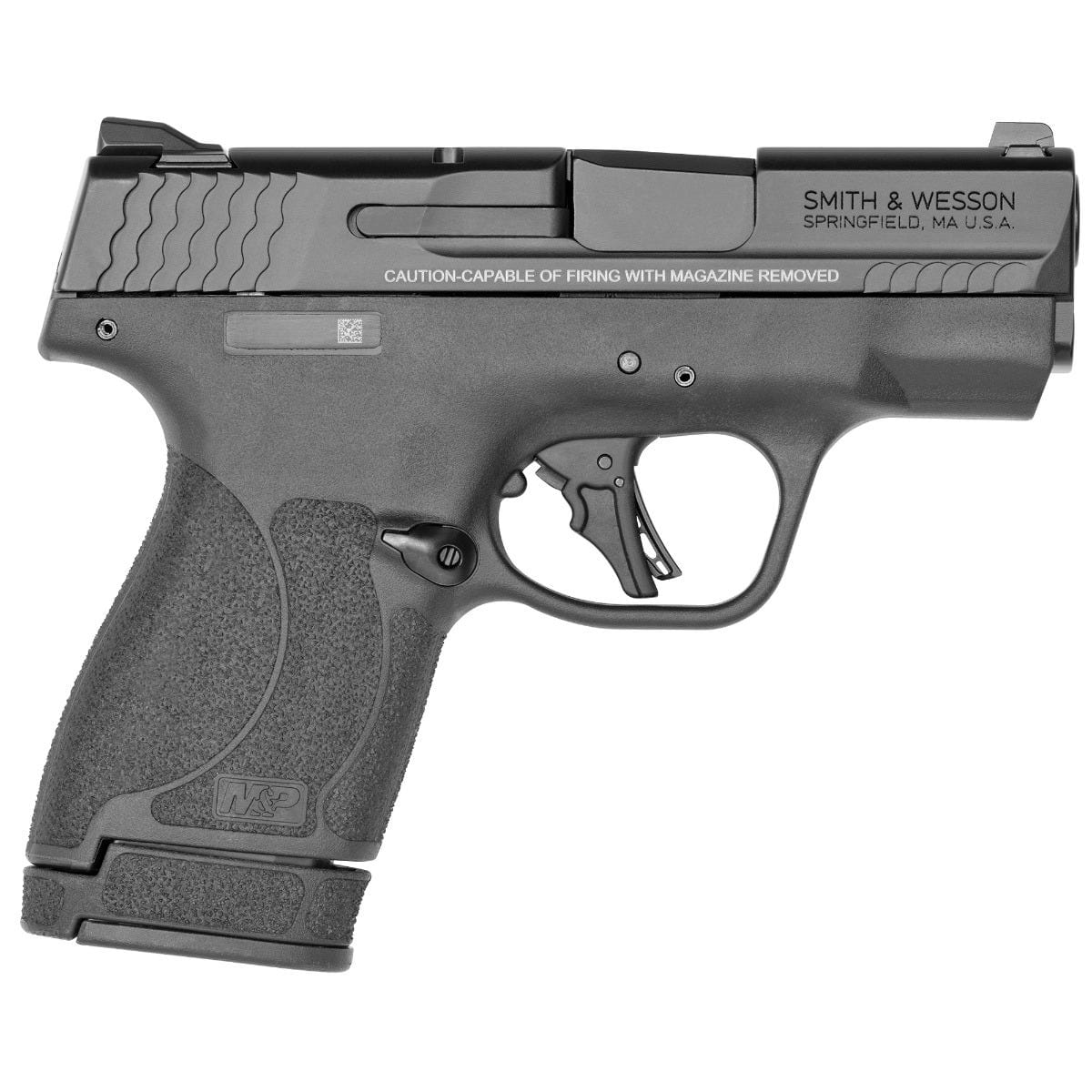
Smith & Wesson M&P9 Shield Plus (13248)
California’s rule only reaches pistols made or delivered to dealers after January 1, 2028, so nothing on today’s shelves changes. If a micro nine was on your list anyway, the Shield Plus is the value pick of the class at 13+1.
California’s clock is still running: SB 452, signed in September 2023, rebuilt the state’s microstamping mandate around staged findings by the state DOJ. The department declared the technology viable on July 18, 2025, and the final determination, whether components are commercially available at reasonable prices, is due by July 1, 2027.

If that finding lands, the 2028 rule bites: any semiautomatic pistol manufactured or delivered to a California dealer on or after January 1, 2028 can’t be sold without a microstamping certification. Guns already sitting in dealer inventory are untouched.
NIST does credit the other side of the ledger: state-led viability studies in California and New Jersey both came back positive. The letter then spends most of its remaining pages cataloguing what those studies never tested.
Industry figures cited in the letter say the roster of approved handguns shrank by roughly half the last time California enforced a microstamping requirement, because manufacturers chose not to build compliant models. Some representatives call the mandate a de facto ban, and that fight restarts the moment the July 2027 determination drops.
What to watch: whether Babin’s committee turns the NIST microstamping report into hearings (the answer arrived 75 days past the committee’s May 29 deadline), and what Sacramento does with a federal synthesis that reads nothing like its own viability finding. The two documents describe the same technology the way rival expert witnesses describe the same crash.
Do you buy microstamping as a crime-solving tool, or is this CoBIS with a laser? Let us know in the comments.
If the industry’s $200-a-gun math worries you, the CAT deals page tracks live gun deals daily.
Sources: NIST’s August 12 letter to the House Science Committee (PDF); the committee’s February request; the California DOJ’s SB 452 program page; SB 452 bill text; NSSF.

Justin Trump is the managing editor and owner of CAT Outdoors. The son of a Vietnam veteran, he’s a Certified Glock Armorer, an avid gun enthusiast and 2A advocate. He holds two firearm patents for the CAT M4 and Talon tools. When not managing CAT Outdoors, he enjoys spending time with his family and friends, rooting for Michigan sports teams, and serving his church.