The CDC Quietly Restored Its Defensive Gun Use Data. The Numbers Still Embarrass the Same People Who Got Them Removed.
The CDC’s defensive gun use estimates are back on its website after a four-year absence. FOIA emails already showed why they left. The agency isn’t saying why they came back.

The CDC defensive gun use data that vanished from the agency’s website in 2022 is back, restored in late July without a word of explanation.
The short version: three gun-control advocates complained about the numbers, and the CDC handled it less like a science agency and more like a business owner who found the delete button on a bad review.
The number in question: the agency’s About Firearm Injury and Death page once again cites a 2013 National Academies report, Priorities for Research to Reduce the Threat of Firearm-Related Violence, for a range of 60,000 to 2.5 million defensive gun uses per year.

Pew Research Center counts 15,364 gun murders in 2024, and 44,447 total gun deaths with suicides included. Take the most conservative defensive-use estimate anyone offers, 60,000, and it beats the murder count roughly four to one.
Even the year’s entire death toll comes in under the range’s floor. (We’re keeping score.)
Who got it removed: on September 15, 2021, Mark Bryant of the Gun Violence Archive, Devin Hughes of GVPedia, and Po Murray, chairwoman of the Newtown Action Alliance, landed a private meeting with CDC officials. The introductions came courtesy of the Biden White House and the office of Senator Dick Durbin (D-Ill.).
Their problem was the range’s high end, built on early-1990s survey work by Florida State University criminologist Gary Kleck. In emails later made public through a records request, Bryant wrote that the 2.5 million figure “needs to be killed, buried, dug up, killed again and buried again.”
“We are planning to update the fact sheet in early 2022,” CDC official Beth Reimels emailed the group that December. The update shipped on schedule, and the numbers didn’t survive it.
Kleck never got a call. No public notice went up, and the replacement text said only that estimates vary and that “additional research is necessary.”
None of it was prompted by research. The 2013 report never changed and never got retracted; it sat on the National Academies’ shelf saying the same thing the whole time, while the agency that commissioned it stopped repeating it.
Want the next one the day it lands? Add CAT Outdoors as a preferred source on Google and our coverage shows up first.
Add on GoogleWhat the number is actually for: every gun policy fight is, underneath the noise, a cost-benefit argument. Murders and suicides sit on one side of the ledger, and defensive uses are the other side, the entire benefit column, the reason tens of millions of households keep the thing at all.
This range is the only entry the federal government has ever made in that column. Strip it out and the ledger reads one-sided, and every debate over carry laws, magazine limits, and storage mandates gets easier to win when the gun in the equation can only ever be a cost.
Who actually cites it: lawyers, mostly. Since Bruen, courts weigh how heavily a law burdens lawful self-defense, and “the CDC’s own page puts defensive uses as high as 2.5 million a year” lands in a brief the way “a criminologist’s 1993 phone survey” never will. The same goes for legislators in committee hearings, researchers fighting over methodology, and anyone in a comment section who’d rather link a .gov page than a blog.
How to read it: claiming 2.5 million defensive gun uses a year is more of a suggestion than settled fact. Kleck’s high end is unlikely and deserves some criticism, though the honest version of the claim is the floor: the most conservative estimate on a government website still outnumbers gun murders four to one, and that sentence survives all on it’s own.
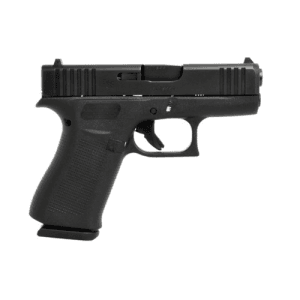
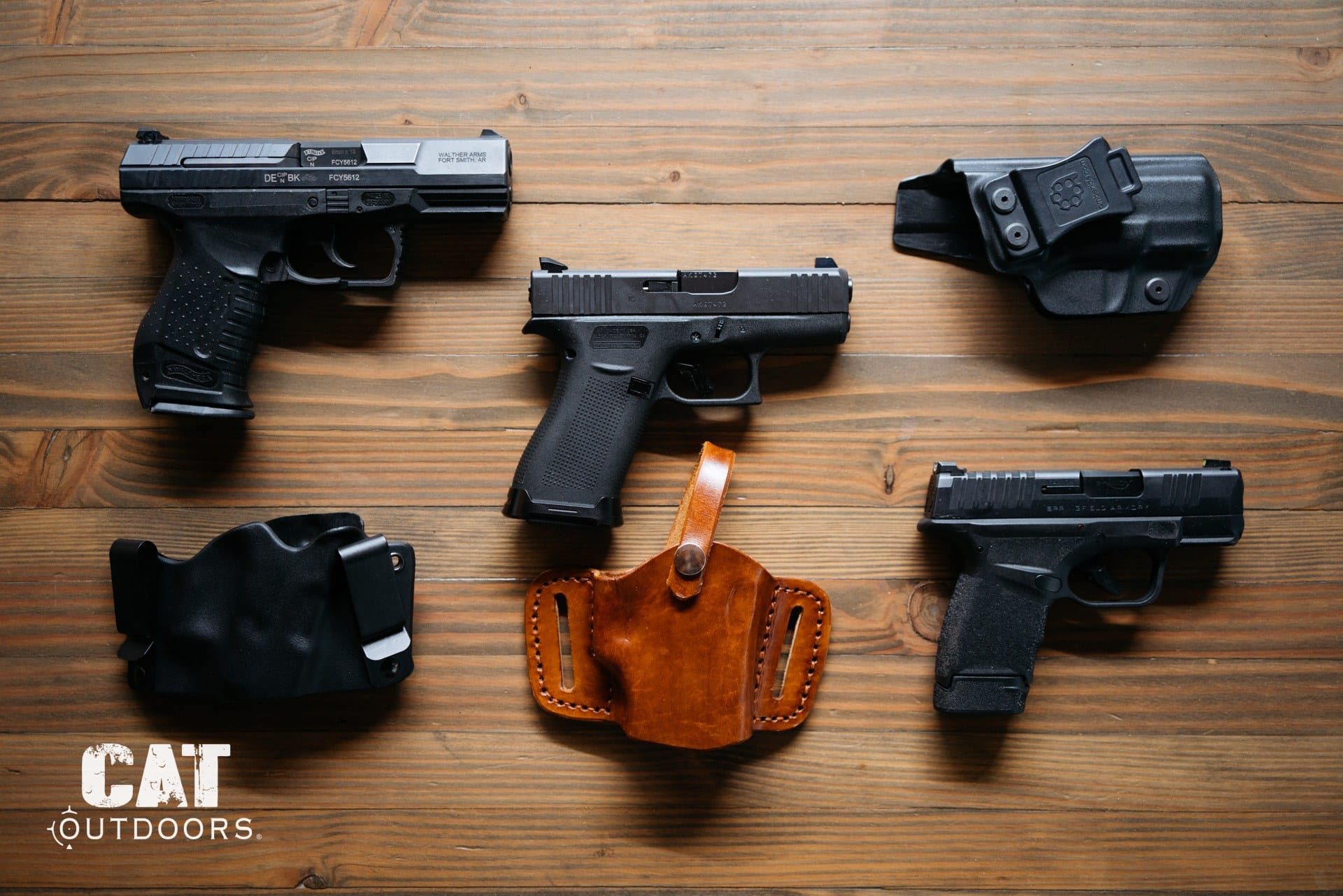
Glock 43X (9mm, 10+1)
Most of the range's 60,000-to-2.5-million moments are a pistol simply being present. The 43X is the one that actually gets carried: slim, 10 plus 1, and light enough to live on a belt instead of in a drawer.
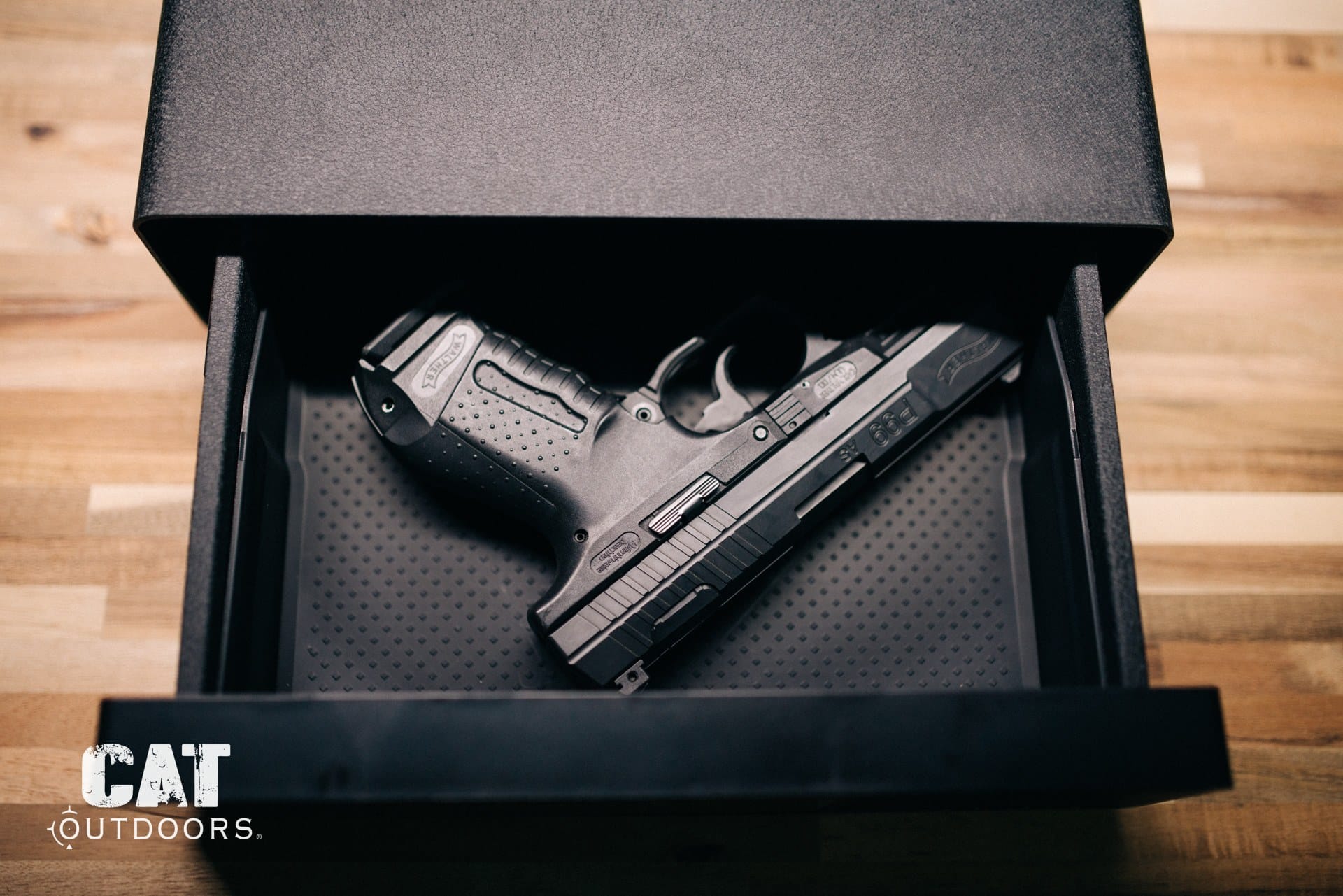
Why the range is so wide: the floor comes from the National Crime Victimization Survey, the ceiling from Kleck’s phone surveys, and the two ask different people different questions. Most defensive uses generate no statistic at all: a pistol that comes out of a nightstand safe, or a Glock 43X that clears a holster and ends the encounter without a shot, never shows up in a police report.
The restoration: Internet Archive snapshots bracket the return between July 23 and July 25 of this year, under the Trump administration and HHS Secretary Robert F. Kennedy Jr. New management, and the review went back up on the wall.
The CDC has now edited the same paragraph twice, in opposite directions, without explaining either edit.
What to watch: whether the section survives the next change of administration. The difference this time is that the emails behind the first removal are public record, so a second one happens with the receipts already on the table.
And through all of it, then and now, nobody has claimed the number was wrong. Just bad for business.
Does the CDC owe the public an explanation for the 2022 removal? Let us know in the comments.
Want stories like this before they hit your feed? Sign up for the CAT Outdoors newsletter below.
Sources: CDC, About Firearm Injury and Death; National Academies of Sciences, Priorities for Research to Reduce the Threat of Firearm-Related Violence (2013); Pew Research Center, gun-death data; Internet Archive snapshot of the CDC page, July 23, 2026; Fox News, December 2022 report on the removal.

Justin Trump is the managing editor and owner of CAT Outdoors. The son of a Vietnam veteran, he’s a Certified Glock Armorer, an avid gun enthusiast and 2A advocate. He holds two firearm patents for the CAT M4 and Talon tools. When not managing CAT Outdoors, he enjoys spending time with his family and friends, rooting for Michigan sports teams, and serving his church.