The Ninth Circuit Just Put a Stake in Hawaii’s ‘Vampire Rule,’ and Four States Are Holding Copies
On remand from the Supreme Court, the Ninth Circuit affirmed the injunction against Hawaii’s default ban on licensed carry in businesses open to the public. Four states run the same rule.
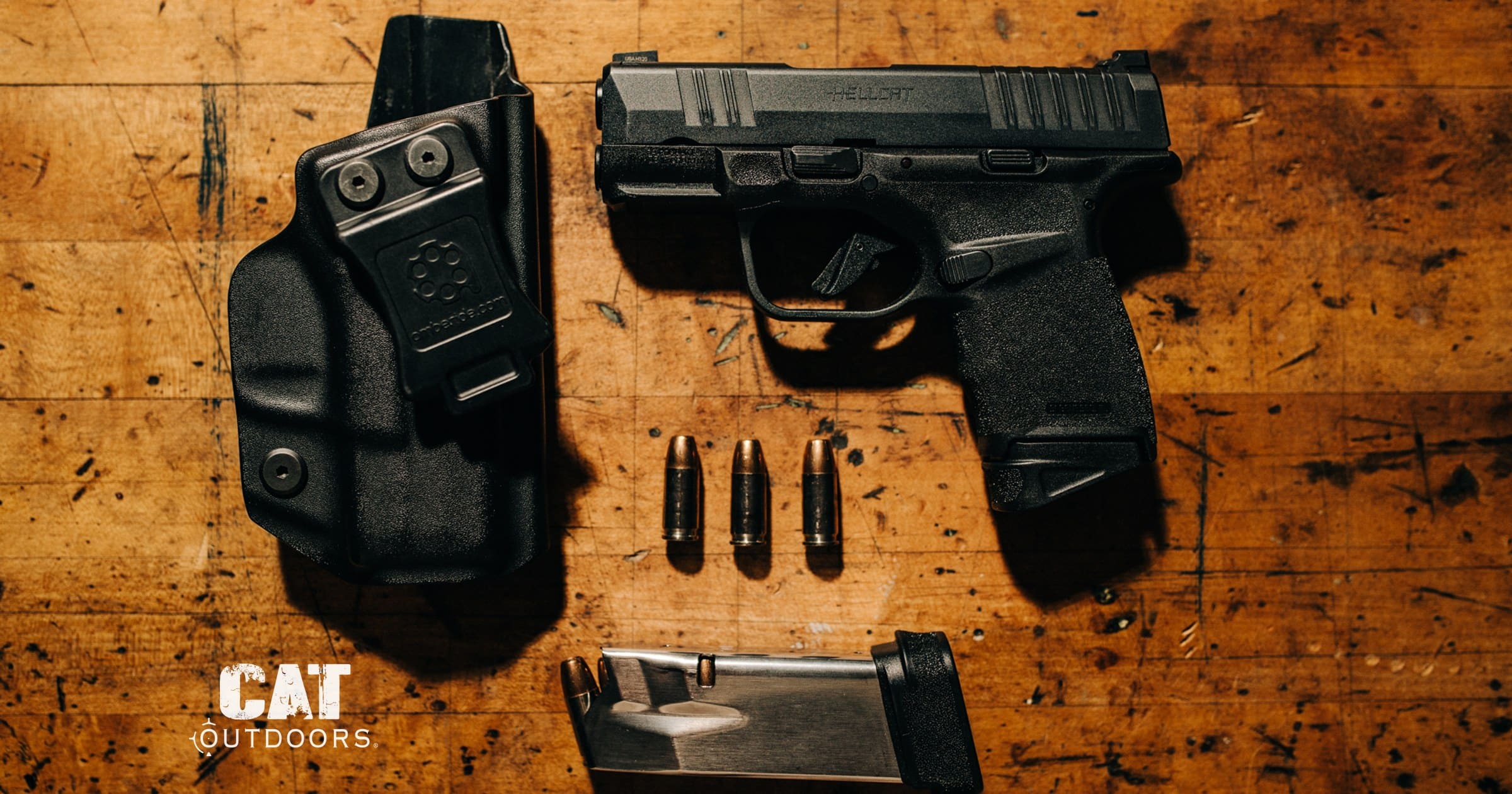
The Hawaii vampire rule is dead, and the Ninth Circuit signed the death certificate on Monday. In a short published opinion filed August 10, the court affirmed the injunction against Hawaii Revised Statutes section 134-9.5. What is the Vampire Rule? Simply, the law barred licensed concealed carriers from entering private property open to the public without the owner’s express permission.
The nickname was fitting. Under Act 52’s default rule, permit holders have stood at every shop door in the state like a vampire on a porch: no crossing the threshold without an invitation.
No posted sign, no verbal okay, no entry, and walking in anyway would mean criminal exposure. The presumption ran against the one person in the store who had already cleared Hawaii’s licensing process.

The scoreboard: The Supreme Court settled the question first, reversing the Ninth Circuit 6-3 in Wolford v. Lopez on June 25. Justice Alito wrote for the majority, joined by Chief Justice Roberts and Justices Thomas, Gorsuch, Kavanaugh, and Barrett; Justice Kagan dissented, and Justice Jackson dissented separately, joined by Justice Sotomayor.
The majority’s core problem with the law: it flipped a default older than the republic. At common law, anyone has an implied license to enter property held open to the public, and the Court found no historical tradition that supports stripping that license from permit holders who carry.
The opinion puts it plainly: the regime “hobbles what the Second Amendment protects: the right of Americans to carry arms for self-defense as they go about their daily lives.”
Hawaii’s defense leaned on local custom, and it drew the term’s most quotable line. The Second Amendment “cannot give way to ‘the spirit of Aloha’ in Hawaii,” Justice Alito wrote, “any more than it can yield to the spirit of the Big Apple” or “the Windy City.” The rest of the state’s historical case ran through 1720s anti-poaching statutes and an 1865 Louisiana Black Code provision, which tells you roughly how the historical case went.
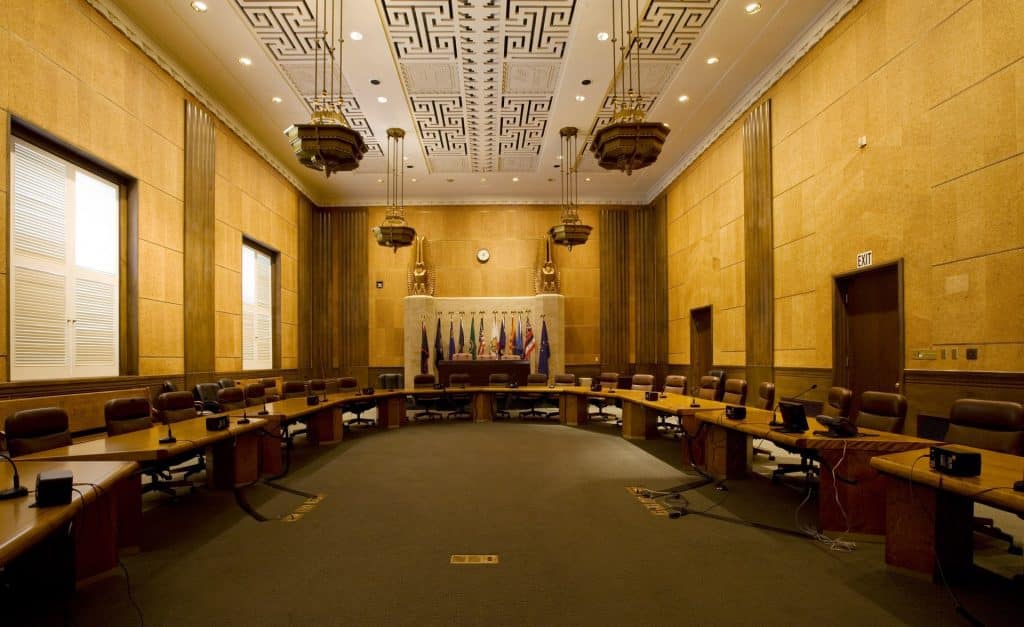
What the Ninth Circuit did with it: Followed instructions. On remand, the same three-judge panel, in an opinion by Judge Susan Graber, affirmed the district court’s preliminary injunction against section 134-9.5 and sent the case back to Honolulu.
The rest of the panel’s 2024 ruling stands. The injunction still covers Hawaii’s carry ban in banks and in government parking lots shared with private uses, while the bans in bars, restaurants that serve alcohol, and parks remain enforceable.
Want the next one the day it lands? Add CAT Outdoors as a preferred source on Google and our coverage shows up first.
Add on GoogleWho feels it: Hold a Hawaii carry permit and the default at the shop door flips back in your favor: an owner who doesn’t want guns on the premises now has to say so, instead of every silent storefront reading as a no-carry zone. The win is preliminary, so the merits fight continues in the district court, but relitigating a question the Supreme Court just answered 6-3 is a steep climb.
The bigger picture: California, New York, New Jersey, and Maryland wrote the same inverted presumption into their own post-Bruen carry laws. California’s version, Penal Code section 26230(a)(26), was blocked by this same Ninth Circuit panel in the companion California cases back in 2024, and challengers in the other three states now get to cite a Supreme Court merits holding by name.
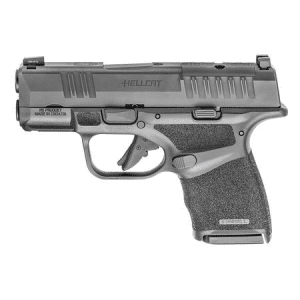
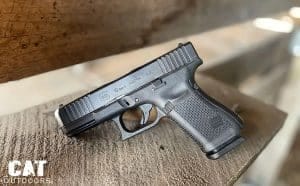
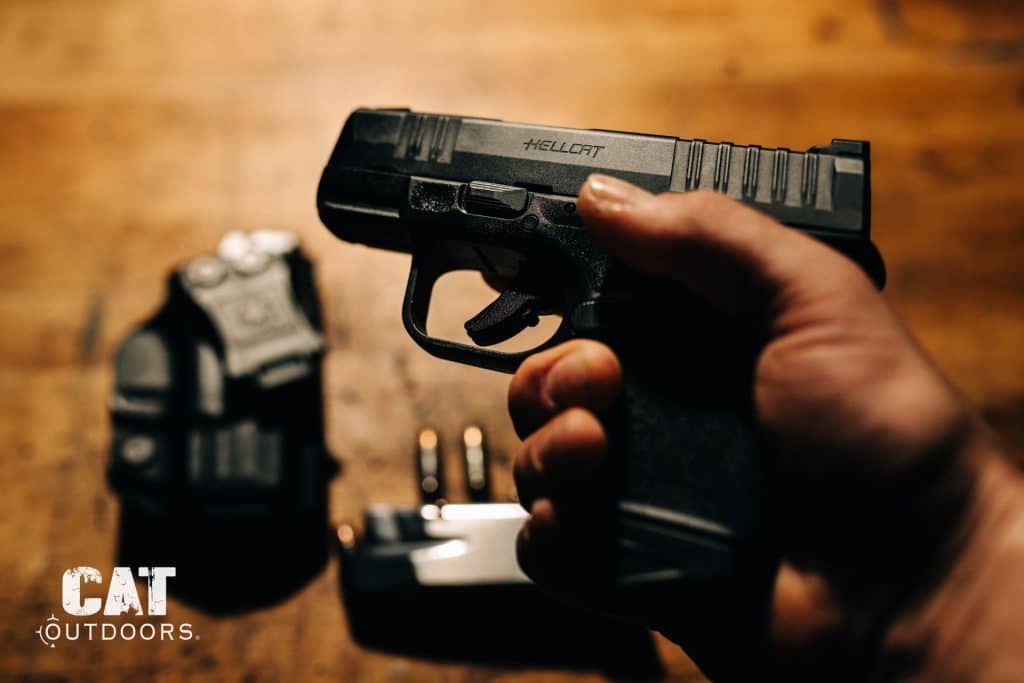
Springfield Hellcat OSP (9mm, 13+1)
13+1 in a three-inch package with an optics-ready slide. We put 1,200 rounds through ours over six years, and it is still the micro-nine we hand people first.
Your move: Nothing changes outside Hawaii today. Inside it, licensed carry on the morning errand run stops requiring a permission slip, and the burden of the sign sits back where the common law always put it: on the owner who wants to opt out.
Hawaii can still argue for a narrower rule at the merits stage, and the legislature that passed Act 52 in 2023 can always redraft. But the Hawaii vampire rule, the gun-free-by-silence version of it, is done. The threshold is open again. No invitation required.
Does your state hang a default no-carry rule on private businesses? Tell us how it works where you live in the comments.
Shopping for a carry gun you’d trust on the daily errand run? Our Springfield Hellcat review is six years and 1,200 rounds of answer, and our Glock 43X review covers the other micro-nine we keep in the rotation.
Want the next carry ruling in your inbox the morning it drops? Sign up for the CAT Outdoors newsletter below.
Sources: the Supreme Court’s opinion in Wolford v. Lopez; the Ninth Circuit’s August 10 opinion on remand and its 2024 decision. Case Nos. 24-1046 (S. Ct.) and 23-16164 (9th Cir.); D. Haw. No. 1:23-cv-00265.

Justin Trump is the managing editor and owner of CAT Outdoors. The son of a Vietnam veteran, he’s a Certified Glock Armorer, an avid gun enthusiast and 2A advocate. He holds two firearm patents for the CAT M4 and Talon tools. When not managing CAT Outdoors, he enjoys spending time with his family and friends, rooting for Michigan sports teams, and serving his church.