
Suppressors Are Coming Off the Munitions List, Six Years After the Rifles They’re Built For
The State Department is taking civilian suppressors off the U.S. Munitions List, the export roster that treats everything on it as a weapon of war. Two coordinated interim final rules published July 23, one from State and one from Commerce, hand export jurisdiction to the Commerce Department effective November 20, 2026. Quick refresher: anything on…
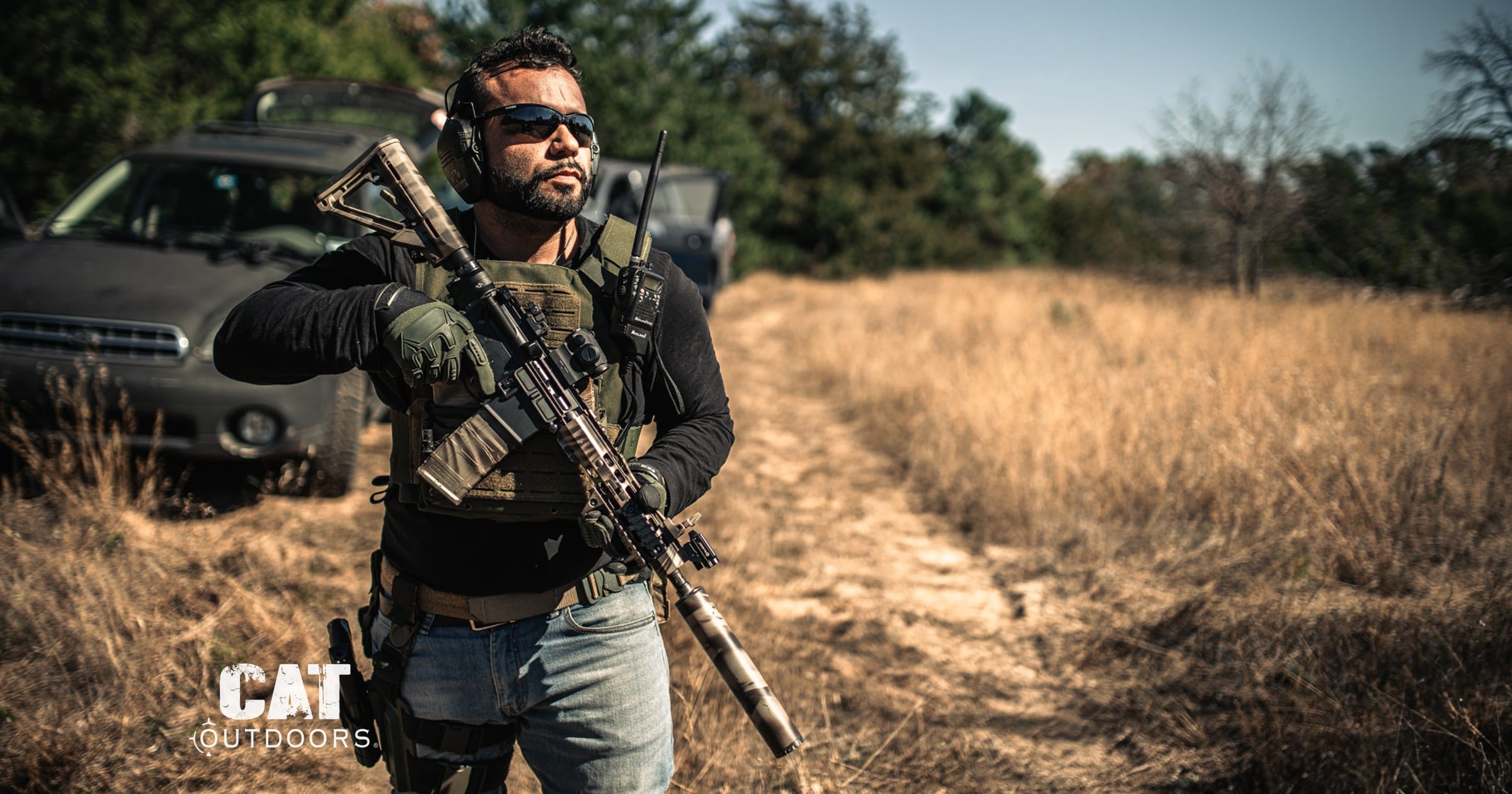
The State Department is taking civilian suppressors off the U.S. Munitions List, the export roster that treats everything on it as a weapon of war. Two coordinated interim final rules published July 23, one from State and one from Commerce, hand export jurisdiction to the Commerce Department effective November 20, 2026.
Quick refresher: anything on the Munitions List exports under ITAR (the International Traffic in Arms Regulations), which means State Department registration, State Department licensing, and the same compliance regime that covers missile components. That’s the line American suppressor companies have been standing in to sell a hearing-safety device abroad.
The rifles and pistols those suppressors mount on left that line in March 2020, when their export oversight moved to Commerce. The cans stayed behind with the missiles for six more years.
The mechanics: Suppressors built for non-automatic and semi-automatic rifles, pistols, and shotguns move to the Commerce Control List, the same framework that already governs the host guns (new entries 0A501.f and 0A502.f, for the compliance officers keeping score at home). Cans specially designed for machine guns stay put: State still assesses those as providing “a critical military or intelligence advantage.”
Why now: An April 2025 executive order directed State to trim the Munitions List down to genuinely sensitive military technology, and this rule is the suppressor industry’s turn in that review. State’s own filing points to a growing civilian suppressor market worldwide.
It also cites a 2011 CDC assessment that called suppressors “[t]he only potentially effective noise control method to reduce noise exposure from gunfire.” Hard to keep a product in the missile line with that sentence in the record.
Who feels it first: American manufacturers. Commerce expects roughly 200 additional export license applications a year once the rules land, a rough census of the foreign demand that ITAR costs have been keeping bottled up.
“With this change, the Trump Administration has taken a major step towards allowing American hunters to travel with their suppressors and American businesses to compete in thriving, well-established international commercial markets,” Knox Williams, executive director of the American Suppressor Association, said in a statement. His group has been pushing export reform since it helped introduce the Suppressor Export Act back in 2016.
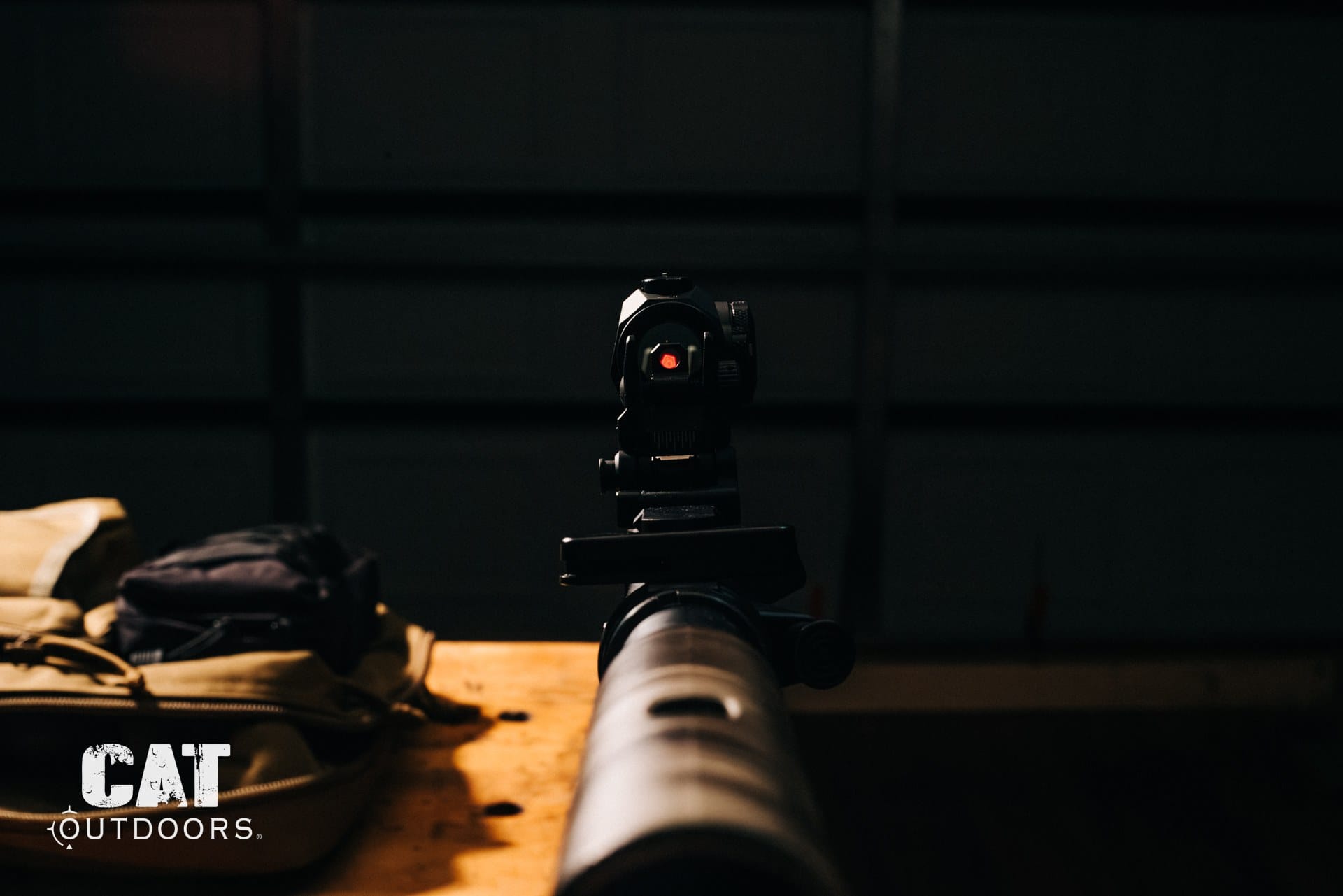
The traveling-hunter part: The Commerce rule makes these suppressors eligible for the Baggage license exception, which lets U.S. citizens and permanent residents temporarily take firearms and accessories abroad for lawful hunting, sporting, scientific, or personal-protection use. Pack the can with the rifle, hunt the trip, bring both home, no export license required.
The hearing math travels well. A suppressor takes roughly 20 to 35 decibels off a gunshot, about what quality earplugs or earmuffs manage, per ASA figures.
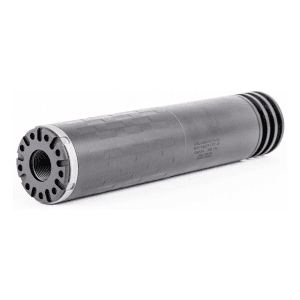
SilencerCo Omega 300 DTM .30 Cal Suppressor
A do-everything .30 caliber can from the kind of American maker this rule opens world markets for. Buying one at home is still a Form 4 transfer, now with a $0 tax stamp.
The fine print: This is a transfer, not a jailbreak. Most commercial exports still need a Commerce license, applications get case-by-case review against national security and foreign policy interests, and destinations under UN arms embargoes stay off the table entirely. Lighter paperwork. Still paperwork.
What to watch: Both rules are “interim final,” meaning they take effect on schedule while public comment stays open through August 24, 2026. Until November 20 nothing changes at your dealer’s counter; this is about where American cans can go, not how you buy one.
Six years late, the hearing-protection aisle is finally out of the missile section.
Been waiting on this one, or does export policy stay filed under “not my problem”? Tell us in the comments.
If the story has you shopping domestic instead, our guide to the best 9mm suppressors covers the cans we’d spend our own money on.
Sources: the State Department’s interim final rule (91 FR 46279), the Commerce Department’s companion rule (91 FR 46252), the 2020 firearms export transfer rule (85 FR 4136), and the American Suppressor Association’s statement.

Justin Trump is the managing editor and owner of CAT Outdoors. The son of a Vietnam veteran, he’s a Certified Glock Armorer, an avid gun enthusiast and 2A advocate. He holds two firearm patents for the CAT M4 and Talon tools. When not managing CAT Outdoors, he enjoys spending time with his family and friends, rooting for Michigan sports teams, and serving his church.