
The House Just Banned the Credit-Card Code That Flags Gun Buyers. The Senate Math Doesn’t Add Up Yet.
Your credit card network keeps a running file on where you shop, sorted by a four-digit label. Since 2025, in three states, one of those labels has meant “this person bought a gun.” The House voted Tuesday to erase it. HR 1181, the Protecting Privacy in Purchases Act, passed 221 to 201 on July 14,…
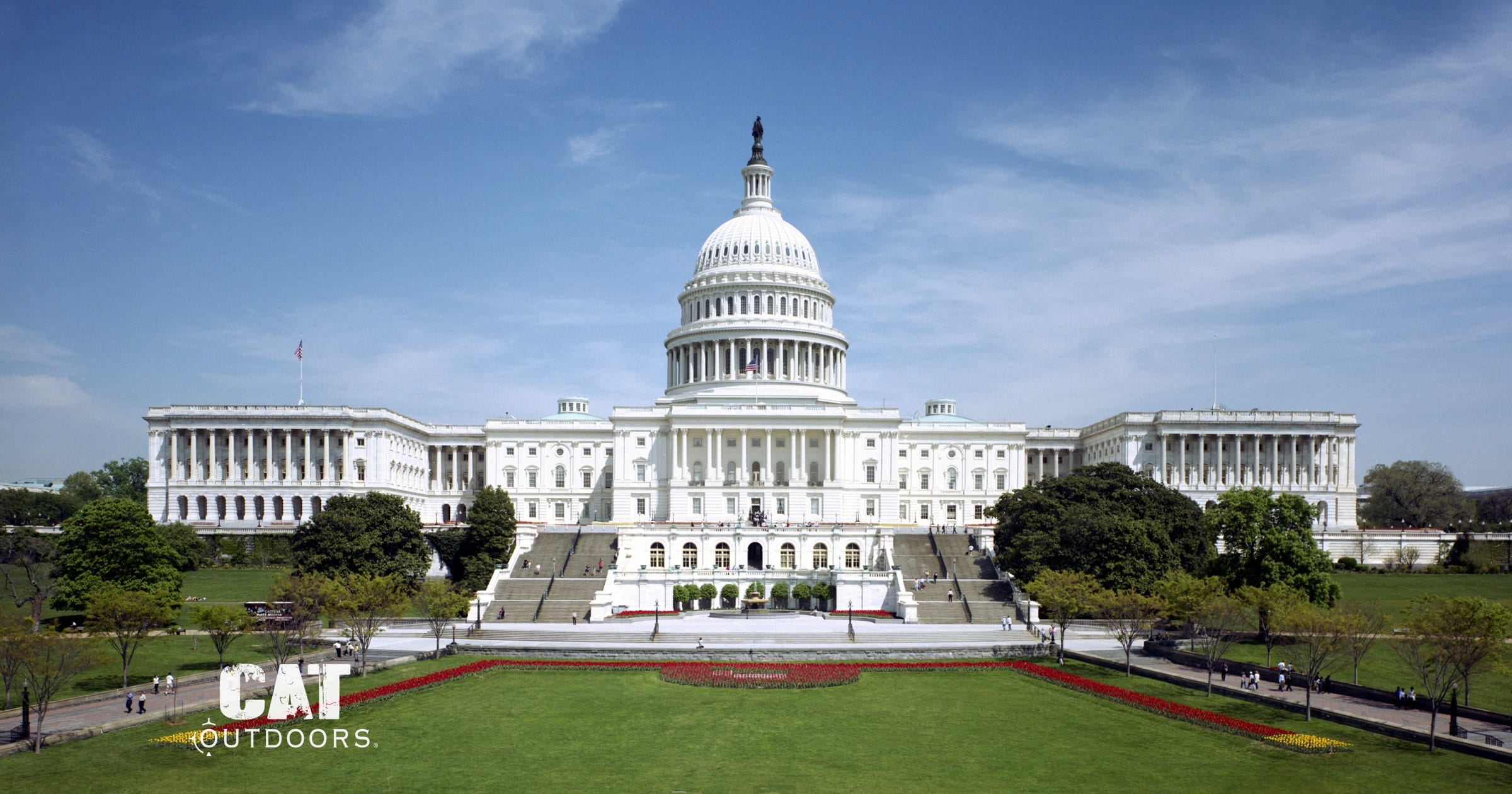
Your credit card network keeps a running file on where you shop, sorted by a four-digit label. Since 2025, in three states, one of those labels has meant “this person bought a gun.”
The House voted Tuesday to erase it.
HR 1181, the Protecting Privacy in Purchases Act, passed 221 to 201 on July 14, almost entirely along party lines. Sponsored by Rep. Riley Moore (R-W.Va.), the bill would bar payment networks from assigning gun and ammunition retailers a merchant category code that sets them apart from any other store.
Quick refresher: a merchant category code, or MCC, is the four-digit tag Visa and Mastercard staple to every swipe to say what kind of business took your money. Restaurants have one. Toll roads have one. Snowmobile dealers, somehow, have one. The fight is over whether gun shops get their own, or stay filed under general retail next to the hardware store that sold you a lawnmower.
How we got here: the push started in 2018 and got teeth in 2022, when the International Organization for Standardization approved a firearms-specific code, MCC 5723. Visa, Mastercard, and American Express all said they would use it, then hit the brakes in 2023 as states split hard over whether the code should be required or banned.
A Mastercard spokesperson told Reuters the conflicting state bills would create “inconsistency,” and that “it’s for that reason that we have decided to pause work on the implementation of the firearms-specific MCC.”
The pause never fully lifted. The networks eventually switched the code on only where state law forces their hand: California, Colorado, and New York. More than a dozen other states have banned its use outright.
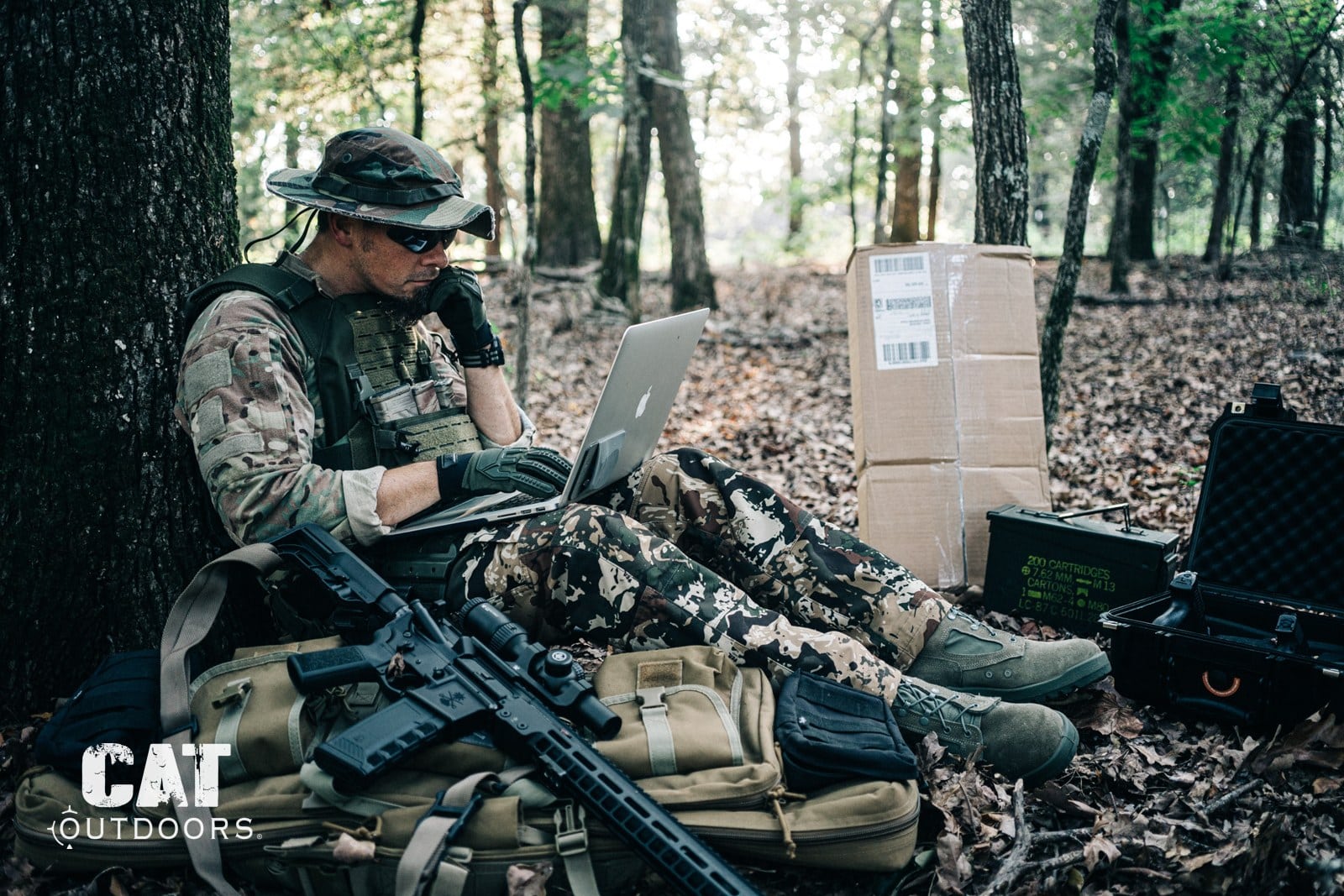
Who this actually hits: if you buy a gun or a case of ammo with plastic in one of those three states right now, that purchase carries MCC 5723. HR 1181 would override the state mandates from the top, hand enforcement to the Attorney General, and set a federal floor so no future administration can lean on the card networks to turn it back on nationwide.
For buyers in the states that already banned the code, the day-to-day doesn’t change. The ceiling does.
The scoreboard: 215 Republicans voted yes. Five Democrats crossed over: Henry Cuellar of Texas, Don Davis of North Carolina, Jared Golden of Maine, Adam Gray of California, and Marie Gluesenkamp Perez of Washington. Independent Kevin Kiley of California made it 221. Exactly one Republican, Pennsylvania’s Brian Fitzpatrick, voted no.
The platform at the center of these fights is still the AR-15, and the honest way into one hasn’t changed while the lawyers argue.
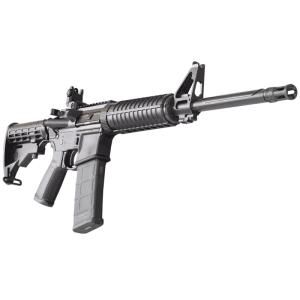
Ruger AR-556 (5.56 NATO, 16.1")
The rifle at the center of every one of these fights, and the most honest way into the platform. America's budget-favorite AR from a name everyone knows, in stock right now across multiple retailers from around $550.
Both sides, named: Brady, which has spent years lobbying for the codes, calls them a public-safety tool. “It defies common sense that industry-specific merchant category codes are applied to nearly every type of business but not gun and ammunition sellers,” Kris Brown, the group’s president, has said. Moore and the bill’s backers counter that a swipe is not probable cause, and that there is no reliable way to tell a “suspicious” gun purchase from a Saturday range trip by reading a dollar amount and a store code.
What’s next: the Senate version is S. 1715, from Sen. Bill Hagerty (R-Tenn.), and it is parked in the Banking, Housing, and Urban Affairs Committee with no hearing scheduled. Every co-sponsor so far is a Republican. Clearing the 60-vote threshold without a single Democratic name on the bill is the whole ballgame now, and the math is not close.
For now, the code stays live in three states, dormant in a dozen more, and one Senate vote from either outcome. Keep the receipt. You may want to remember which side everyone took.
Do you think HR 1181 survives the Senate? Tell us in the comments.
Shopping before the dust settles? Check today’s verified gun deals before you swipe.
Sources: U.S. House Clerk Roll Call 240; H.R. 1181 and S. 1715 at Congress.gov.

Justin Trump is the managing editor and owner of CAT Outdoors. The son of a Vietnam veteran, he’s a Certified Glock Armorer, an avid gun enthusiast and 2A advocate. He holds two firearm patents for the CAT M4 and Talon tools. When not managing CAT Outdoors, he enjoys spending time with his family and friends, rooting for Michigan sports teams, and serving his church.