
Connecticut’s Glock Ban Gets One Hearing, Two Days Before Selling One Becomes a Felony
NSSF, Shadow Systems, and a Wallingford range are asking a federal judge to stop Public Act 26-41 before selling most new striker-fired handguns becomes a felony on October 1.
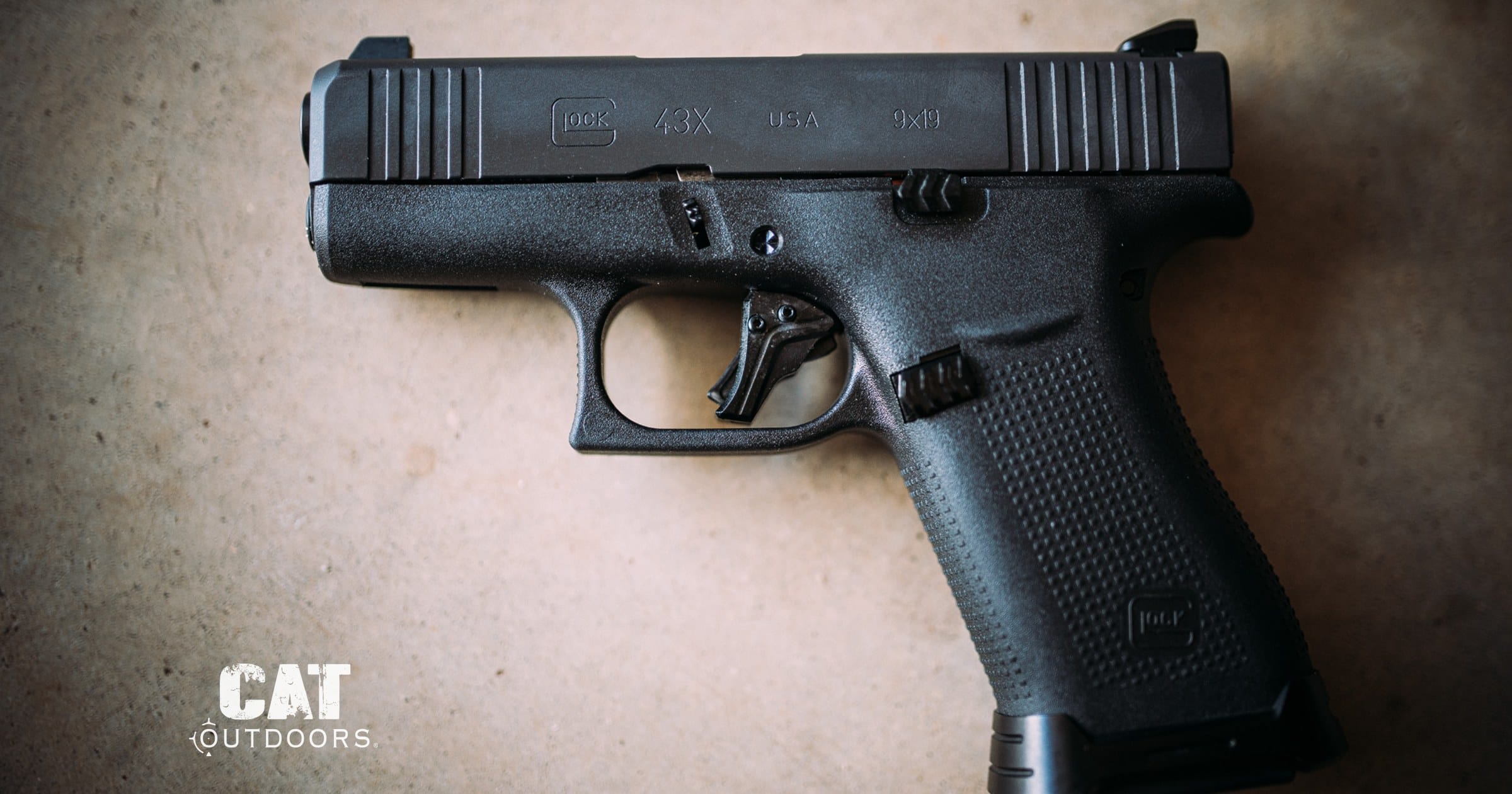
The Connecticut convertible pistol ban is eight days from making it a felony to sell the most common handgun design in America, and the industry has finally put the question in front of a federal judge. On September 21, the National Shooting Sports Foundation, Texas pistol maker Shadow Systems, and Wallingford’s own Blue Trail Range filed an emergency lawsuit against Connecticut’s top prosecutors to stop the law before it takes effect October 1.
The timeline is brutal. Judge Kari A. Dooley will hear the emergency injunction motion on September 29 at 9:30 a.m. in Bridgeport, two days before the felony provisions take effect. Glock filed its own separate lawsuit the same day, and the court will hear both cases together.
What the law says: House Bill 5043, approved by Gov. Ned Lamont on May 26 and now Public Act 26-41, invents a new legal category called the “convertible pistol.” That means any semiautomatic pistol with a cruciform trigger bar that can be readily converted into a machine gun by installing a “pistol converter,” better known as a Glock switch. The cruciform trigger bar is the flat, cross-shaped piece of steel that connects the trigger to the firing mechanism in Glocks and in most striker-fired pistols designed since Gaston Glock sketched his in the early 1980s. It’s the same fire-control setup inside most popular handguns, like the Glock 19 Gen 5.
Starting October 1, knowingly importing, advertising, selling, offering, or exposing for sale any convertible pistol manufactured on or after that date becomes a Class D felony in Connecticut. That carries up to five years in prison and a $5,000 fine. Note the manufacturing date: guns built before October 1 can still be sold, so dealer shelves go stale in slow motion rather than all at once, and every production run after that date is unsellable in the state the day it leaves the factory.
What the law conspicuously doesn’t do: it doesn’t ban the switch. It doesn’t have to, because federal law already treats a conversion device as a machine gun all by itself, installed or not, under 26 U.S.C. § 5845(b), and Connecticut bans machine guns under its own statutes on top of that. The person who installs a switch is committing a serious federal felony under laws that have existed for decades. So Connecticut’s new law isn’t aimed at the criminal with the switch. It’s aimed at the lawful gun underneath, and at the licensed dealer selling it to a background-checked buyer.
The escape hatch nobody fits through: the act exempts any pistol with “a tab or other piece of material molded to the pistol’s frame” that shields the trigger bar from a converter and can’t be readily removed. Sounds reasonable until you ask who qualifies. The complaint states that none of the popular cruciform-trigger handguns Shadow Systems currently makes has that feature. Glock’s own suit argues its newer Slimline, V Series, and Gen6 pistols already fall outside the definition, and the company still had to go to federal court to find out whether Connecticut agrees.
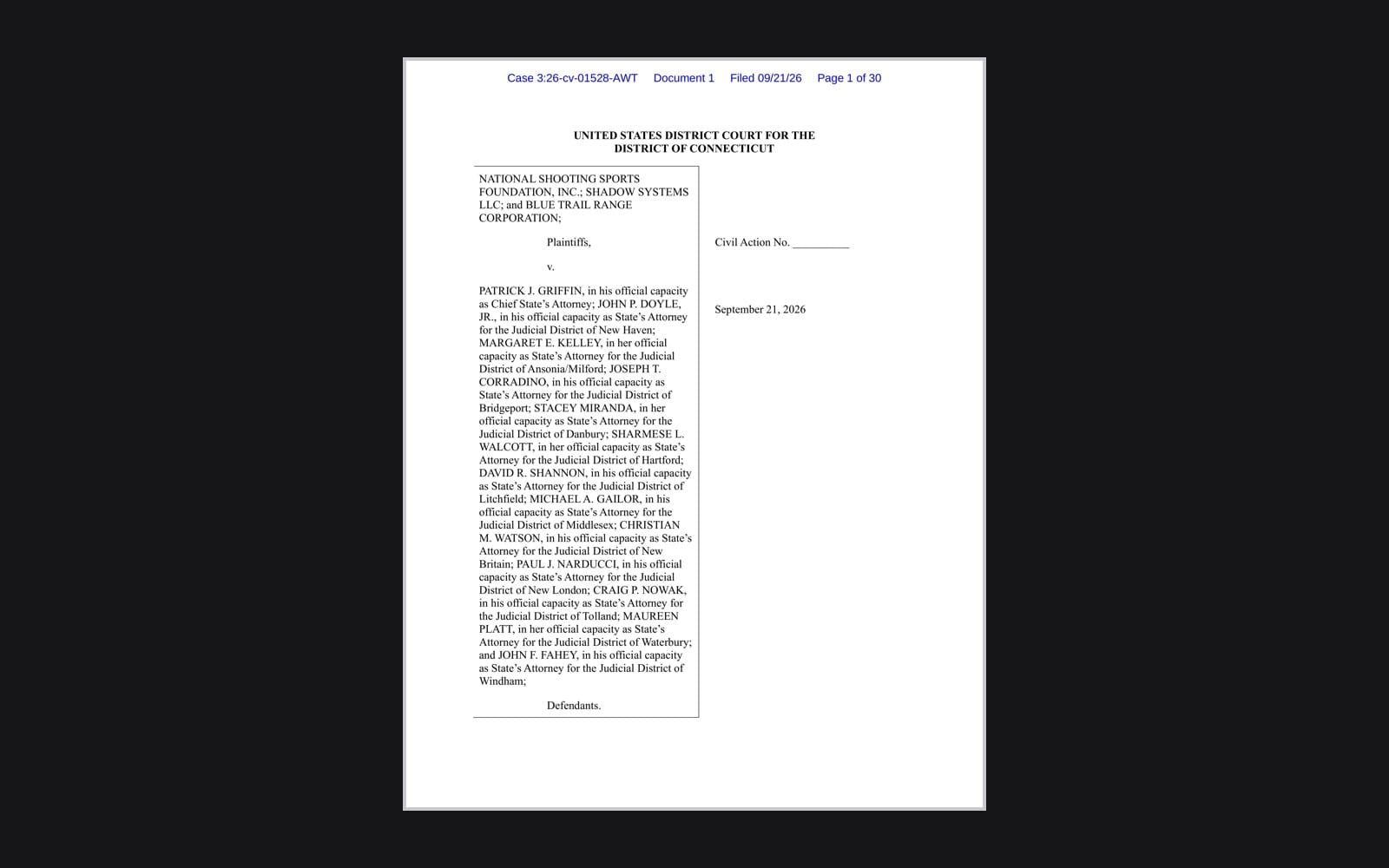
What that costs, in real dollars: Shadow Systems has shipped over $204 million in product to retailers nationwide since 2021, the overwhelming majority of it cruciform-trigger handguns, including over $530,000 sold into Connecticut. The complaint points at California’s similar law as the preview: that one drove the company out of the state entirely, at a cost of nearly $3.8 million in annual revenue, about 11 percent of its business. And this isn’t one boutique maker’s problem. By the complaint’s count, citing ATF manufacturing data, well over 500,000 cruciform-trigger handguns are manufactured for sale in the United States every year, from Glock, Ruger, Palmetto State Armory, Beretta through Stoeger, and others. Connecticut is following Maryland, New York, and California down this road, and the first two are already defending their versions in federal court.
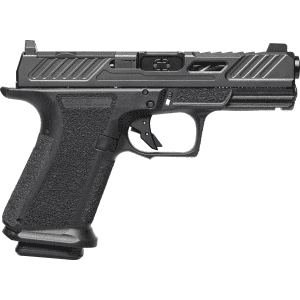
Shadow Systems MR920 Elite 9mm
The MR920 Elite is Shadow Systems' Glock-pattern flagship and exactly the class of pistol Connecticut's ban covers. Everywhere else, it stays business as usual.
The line Connecticut’s own circuit already wrote: here is where the state has a real problem. In 2025, the Second Circuit upheld Connecticut’s rifle ban in National Association for Gun Rights v. Lamont, and it did so partly by pointing at everything residents could still buy. The court’s own words: the challenged statutes “permit Connecticut residents to own and possess popular semiautomatic handguns like the Glock 17.” Nine months later, Connecticut approved a law making the sale of a new Glock 17 a felony. The plaintiffs are now asking the same circuit’s trial court to square those two positions, and there’s no obvious way to do it. The Supreme Court has already said, in Heller and again in Bruen, that the American people consider the handgun “the quintessential self-defense weapon.” A design present in half a million new pistols a year is about as “common use” as a firearm gets.
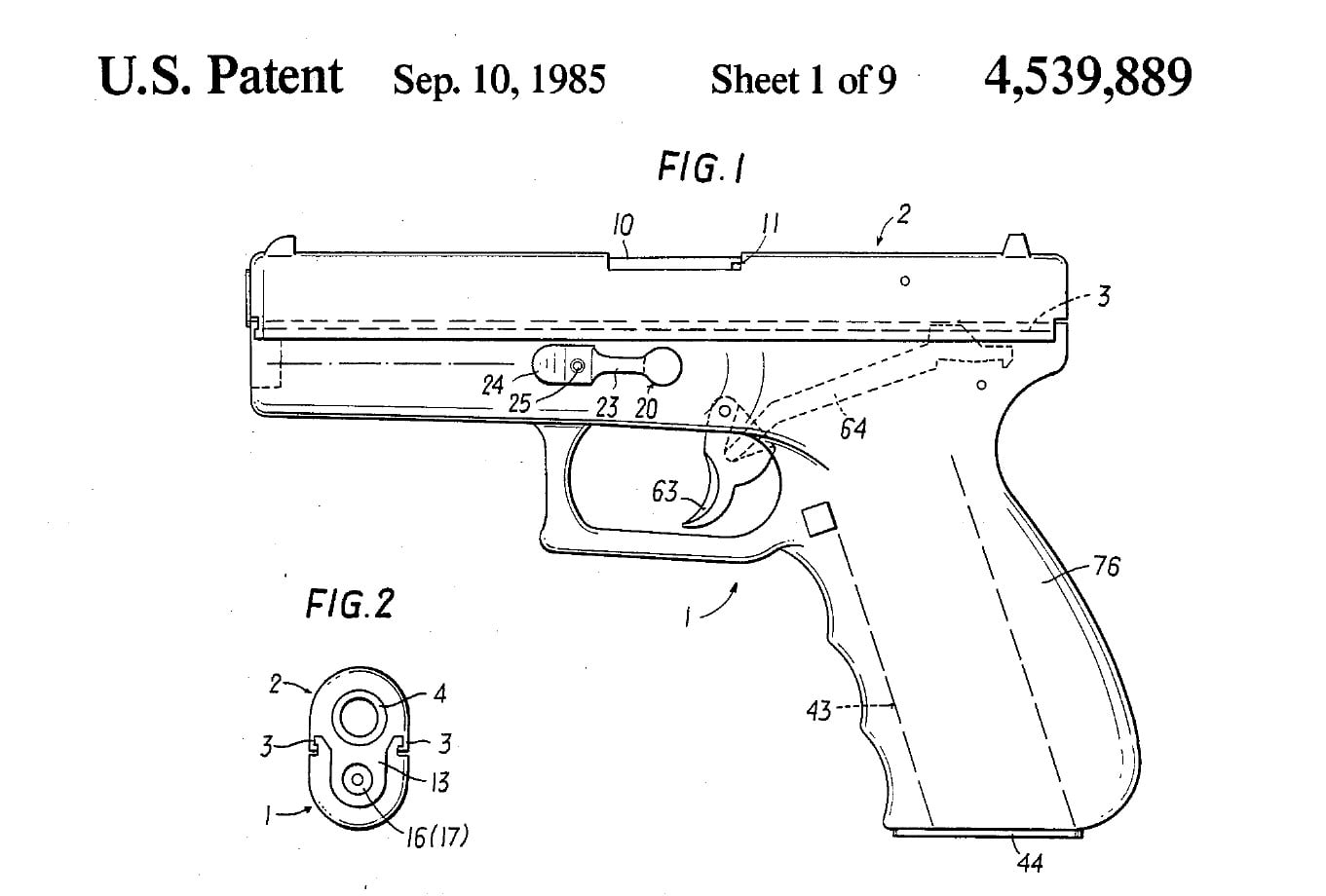
The strongest case for the law, taken seriously: Glock switches are a genuine crime problem. They’re cheap, they’re 3D-printable, and they turn a pistol into an unmanageable machine gun; nobody in this fight disputes any of that. Connecticut’s answer is that if the host gun can be hardened against conversion, manufacturers should harden it, and the exemption gives them a path. But that argument concedes the point that decides the case. The switch is already contraband everywhere in America, and prosecuting the people who make, sell, and install switches requires banning nothing that’s currently legal. A state doesn’t get to mandate a redesign of the most popular handgun architecture in the country because criminals commit a separate federal felony against it. By that logic, the law would ban cars because thieves have learned to hotwire them.
The takeaway: the Connecticut convertible pistol ban criminalizes the sale of the ordinary handgun and leaves the actual conversion device to laws that already existed, and it writes the exemption narrowly enough that almost nothing on the market qualifies. That’s not a safety standard. It’s a handgun sales ban wearing one, and now a federal judge has two days of margin to decide whether it takes effect.
What happens next: all eyes on Bridgeport, September 29. If Judge Dooley grants the injunction, the law goes on ice while the case is litigated. If she doesn’t rule by Wednesday, October 1, every dealer in Connecticut starts the day with felony exposure on new-production inventory, and the guns made after that date stay out of the state regardless of how the case eventually ends.
Do you think banning the pistol instead of the switch survives a Bruen challenge? Tell us in the comments.
Want stories like this before they hit your feed? Sign up for the CAT Outdoors newsletter below.
Sources: NSSF v. Griffin complaint and docket (D. Conn. 3:26-cv-01528), Glock, Inc. v. Griffin complaint (3:26-cv-01525), Public Act 26-41, NSSF announcement, Second Circuit opinion in NAGR v. Lamont, 26 U.S.C. § 5845. Patent drawing: U.S. Patent 4,539,889, public domain.

Justin Trump is the managing editor and owner of CAT Outdoors. The son of a Vietnam veteran, he’s a Certified Glock Armorer, an avid gun enthusiast and 2A advocate. He holds two firearm patents for the CAT M4 and Talon tools. When not managing CAT Outdoors, he enjoys spending time with his family and friends, rooting for Michigan sports teams, and serving his church.