A Cross-Shaped Piece of Steel From 1982 Just Dragged New York’s Glock Ban Into Federal Court
A coalition led by the NRA, SAF, and FPC is asking a Buffalo federal judge to strike down New York’s “convertible pistol” ban, a category that covers nearly every Glock sold since 1986.
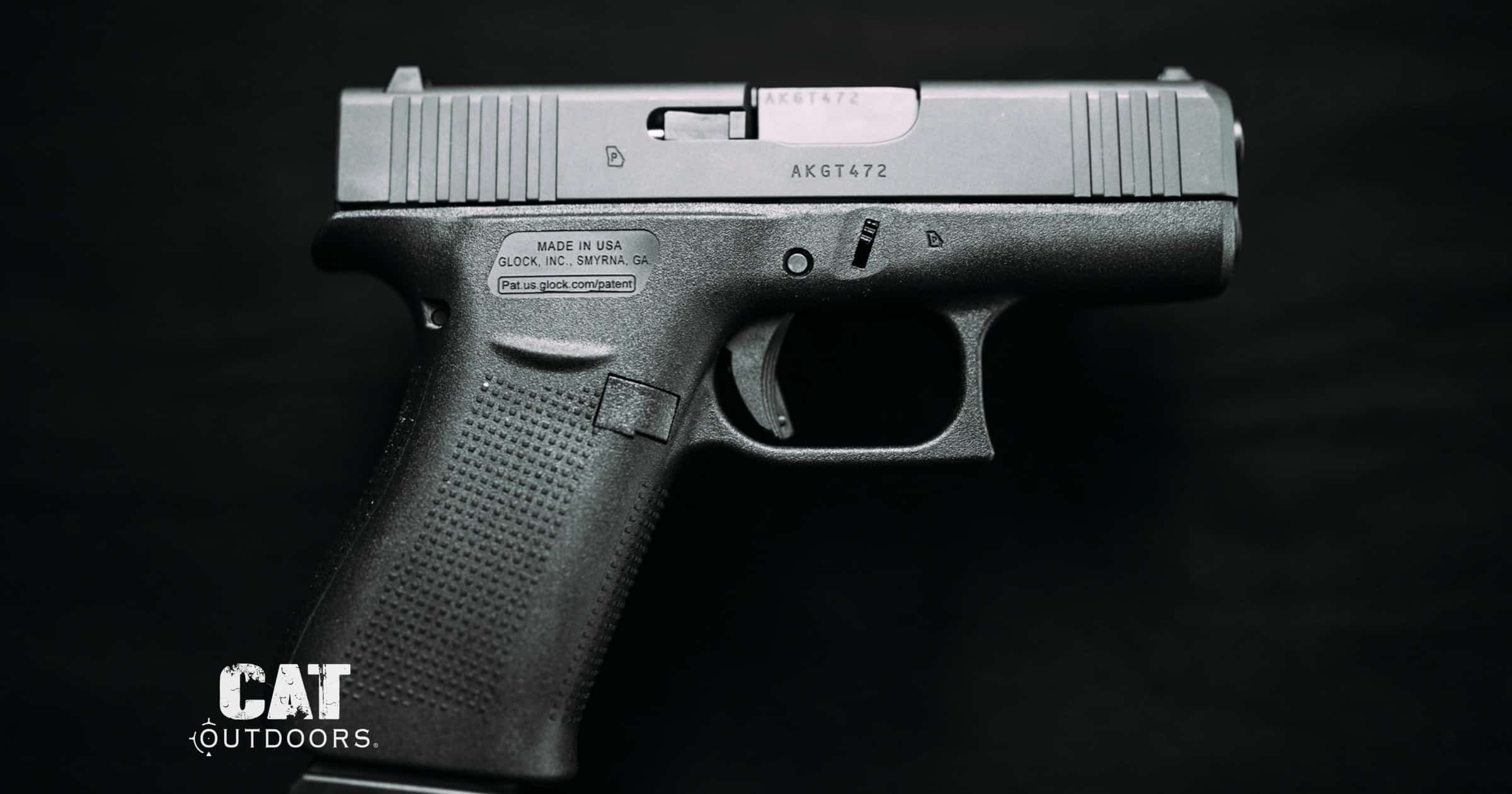
The New York Glock ban is officially a federal court problem. On August 13, a coalition including the NRA, the Second Amendment Foundation, and the Firearms Policy Coalition filed The Firing Pin, LLC v. James (No. 1:26-cv-01718) in the Western District of New York, asking a judge to strike down the state’s new “convertible pistol” law before it clears dealer shelves of the most popular handgun in America.
Here’s what the law actually does. Chapter 55 of the Laws of 2026, signed May 27, makes it a Class D felony for any dealer or gunsmith to sell, transfer, or ship a “convertible pistol” on or after May 31, 2027. Up to seven years in prison, plus a fine of $5,000 or double the profit, for selling a factory-stock handgun.
A “convertible pistol” is any semiautomatic with a cruciform trigger bar that can be “readily altered by hand or with common household tools” to accept an illegal auto-conversion device. The core provisions take effect August 25, and the State Police superintendent must publish a list of banned models before that date, then annually.

And because this is New York, the Penal Law now carries a statutory definition of “common household tools”: screwdrivers, pipe wrenches, pliers, hacksaws, crowbars, electric drills, hammers, chisels, files, and crescent wrenches. Your junk drawer is now a term of art.
The part in question: The cruciform trigger bar has been in Glock’s design since a 1982 patent, which means every Glock sold in the U.S. since 1986 has one. It isn’t an accessory. It’s the linkage between the trigger and the firing pin, and it’s part of why a dropped Glock doesn’t go off.
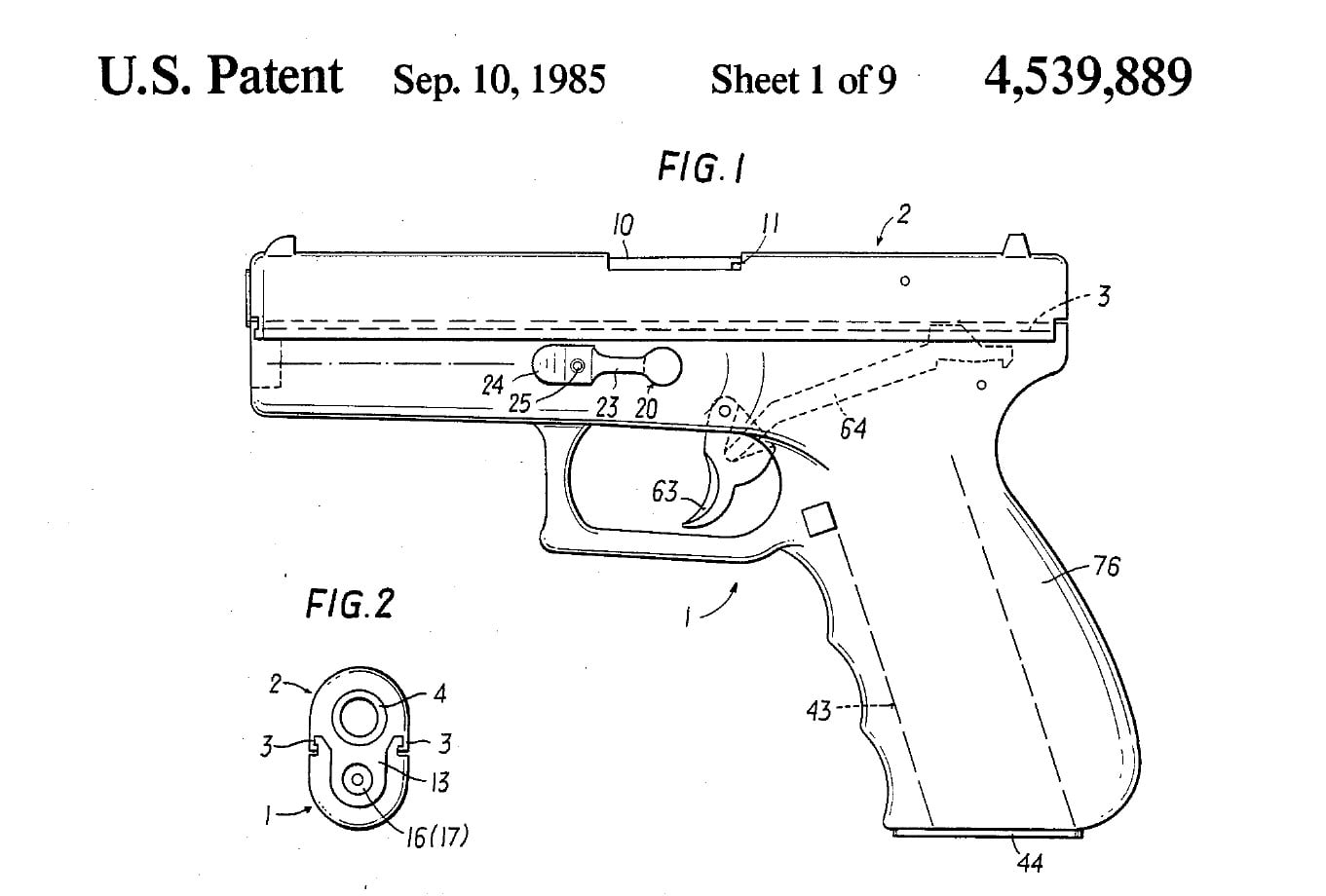
The complaint states it flatly: “all factory stock models of Glock pistols have a cruciform trigger bar.” So do the Glock-style pistols that arrived after the Gen 3 patent expired in 2020, including the Palmetto State Armory Dagger, Ruger’s RXM, and most Shadow Systems guns.
The scoreboard: By the complaint’s numbers, Glock held nearly 65% of the U.S. handgun market as of 2020, and in 2021 alone it manufactured 581,944 handguns in this country, 514,838 of them for the domestic market. The Supreme Court in Heller called the handgun “the quintessential self-defense weapon.” New York just designated most of them contraband-in-waiting.
Want the next one the day it lands? Add CAT Outdoors as a preferred source on Google and our coverage shows up first.
Add on GoogleWho’s suing: The Firing Pin, a Genesee County gun shop, and two upstate gun owners, joined by the NRA, FPC, and SAF. On the other side: Attorney General Letitia James, State Police Superintendent Steven G. James, and the district attorneys of Wayne, Monroe, and Genesee counties. The case landed with Judge Lawrence Vilardo in Buffalo, with Cooper & Kirk on the briefs. The claims run under the Second and Fourteenth Amendments, facial and as-applied, and the plaintiffs want the law declared unconstitutional and its enforcement enjoined.

“Making someone a criminal for selling or transferring a handgun merely because someone can illegally convert those firearms into something they are not is absurd,” SAF founder Alan Gottlieb said in the group’s announcement.
“New York lawmakers made providing some of the most common handguns in America to law-abiding New Yorkers punishable by seven years in prison,” added SAF executive director Adam Kraut.
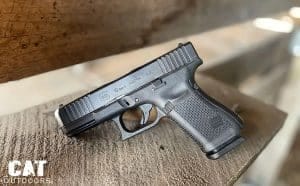
Glock 19 Gen 5 (9mm, 15+1)
The G19 Gen 5 is exactly the kind of cruciform-trigger-bar pistol New York plans to felonize selling in 2027. In the other 49 states, it’s $539 and still the first handgun we’d point a new shooter at.
About that switch: The device New York is actually mad at, the pistol converter, replaces the slide’s backplate and turns a pistol into a machine gun. Possessing one has been a federal felony carrying up to ten years for decades, and New York bans it separately on top of that. Banning the pistol because the illegal part exists is like banning every front door in the state because crowbars exist. (Crowbars, for the record, made the statutory tool list.)
The trooper clause: Police and peace officers are exempt, on duty and off, per guidance from the New York State Association of Chiefs of Police. New York State Troopers have been issued the Glock 17 since 1990, a detail the complaint cites from the State Police’s own website. The exemption is categorical. The irony is, too.
The second front: California ran this play first. AB 1127 was signed October 10, 2025, its dealer ban kicked in July 1, and the same coalition already has it in front of a San Diego federal judge. Maryland spent its summer defending a Glock ban of its own, which we covered in July. The New York Glock ban makes three states, and one open question: whether Bruen’s history-and-tradition test leaves any room for banning the handgun Heller protected by name.
Your move: Nothing changes for pistols already in New York safes, and the complaint reads the law as preserving a narrow secondhand market through dealers plus immediate-family transfers. New-gun buyers in the state are on the clock until May 31, 2027. No preliminary injunction motion is on the docket yet, so watch for one, along with the state’s answer and the superintendent’s first published ban list.
What do you think: can New York ban a trigger bar that’s been in every Glock for four decades? Let us know in the comments.
And if you’re shopping while it’s still simple everywhere else, our Glock 43X review covers the carry Glock we’d actually buy.
Sources: the complaint in The Firing Pin, LLC v. James, W.D.N.Y. No. 1:26-cv-01718, and the case docket via CourtListener; Chapter 55 guidance from the New York State Association of Chiefs of Police; the Second Amendment Foundation’s announcement; and NRA-ILA on the parallel California lawsuit.

Justin Trump is the managing editor and owner of CAT Outdoors. The son of a Vietnam veteran, he’s a Certified Glock Armorer, an avid gun enthusiast and 2A advocate. He holds two firearm patents for the CAT M4 and Talon tools. When not managing CAT Outdoors, he enjoys spending time with his family and friends, rooting for Michigan sports teams, and serving his church.