
The Strongest Argument Against Maryland’s Glock Ban Came From Maryland’s Own Attorney General
SB 334 makes every factory Glock unsellable in Maryland on January 1, and a federal judge is being asked to freeze it first. What the law bans, who keeps their pistols, and the common-use math.
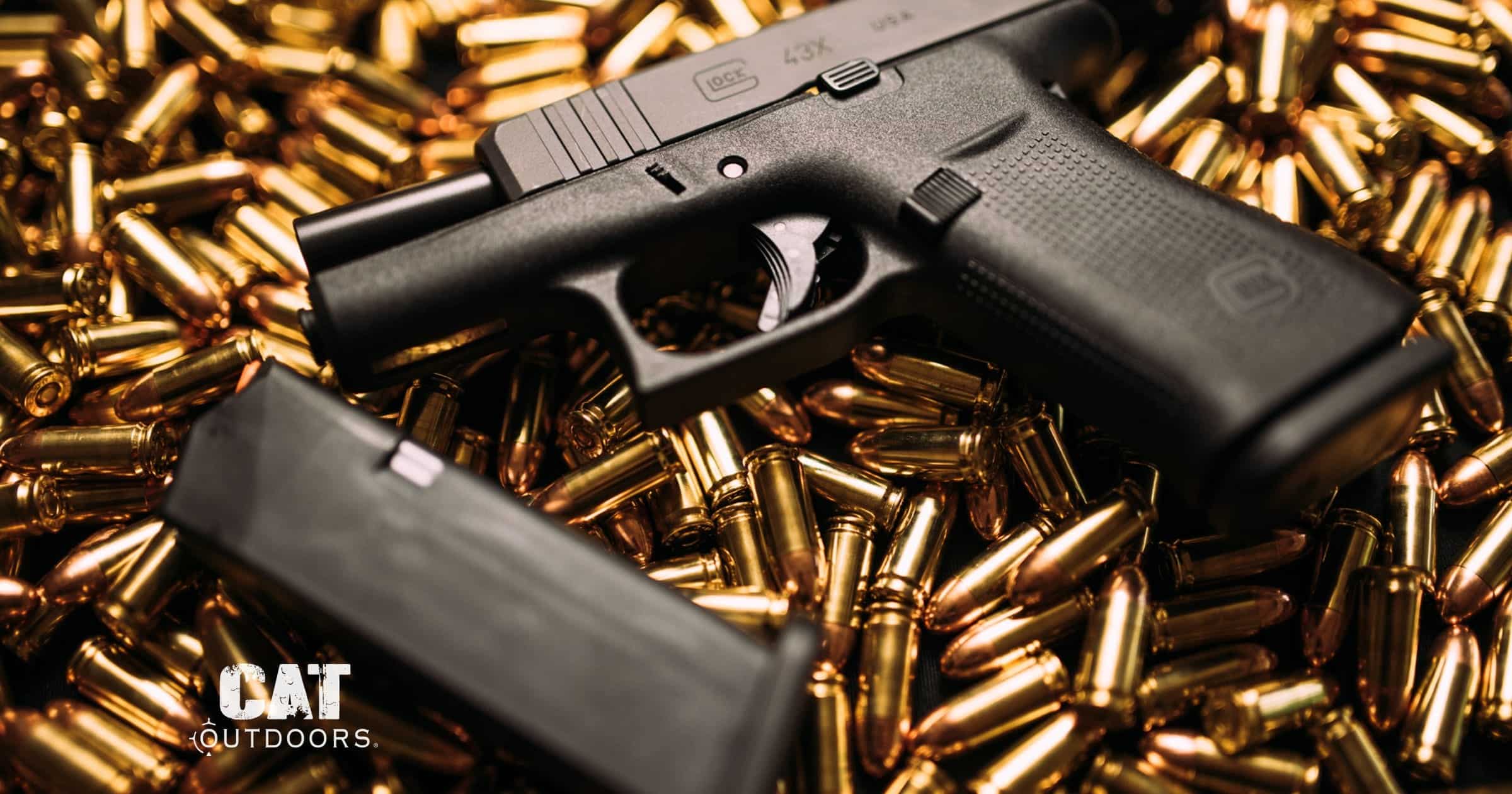
Maryland is five months from making the most popular handgun design in America something its residents can no longer buy. The state’s own attorney general, in writing, has already sketched the argument a judge could use to kill the law before it starts.
On July 20, the Second Amendment Foundation, the National Rifle Association, and the Firearms Policy Coalition filed a motion for a preliminary injunction in Bathras v. Moore (No. 1:26-cv-02074, District of Maryland), asking Judge Julie Rebecca Rubin to freeze Senate Bill 334 before its ban becomes enforceable on January 1, 2027. Rockville dealer Atlantic Guns and two individual Maryland gun owners round out the plaintiff list.
Gov. Wes Moore signed SB 334 into law on May 26 as Chapter 771, after a 28 to 16 Senate vote and a 92 to 39 House vote. The lawsuit landed the same day.
What SB 334 actually bans: starting January 1, nobody in Maryland may manufacture, sell, purchase, receive, or transfer a “machine gun convertible pistol.” The law defines that as any semiautomatic pistol with a cruciform trigger bar (a cross-shaped sear component, standard in Glock’s design since 1982) that can be readily converted to fire automatically by swapping the slide’s backplate for a conversion device. Every factory-stock Glock qualifies. So do Glock-pattern pistols like the Palmetto State Armory Dagger, the Ruger RXM, and Shadow Systems guns. A violation is a misdemeanor carrying up to three years and a $5,000 fine.
The definition sweeps in pistols with a factory blocking tab too, so long as the tab can be removed with a “common household tool.” The statute then defines common household tool with a list that includes a crowbar. Under that test, not much in your house is safe from being legally reclassified as something else.
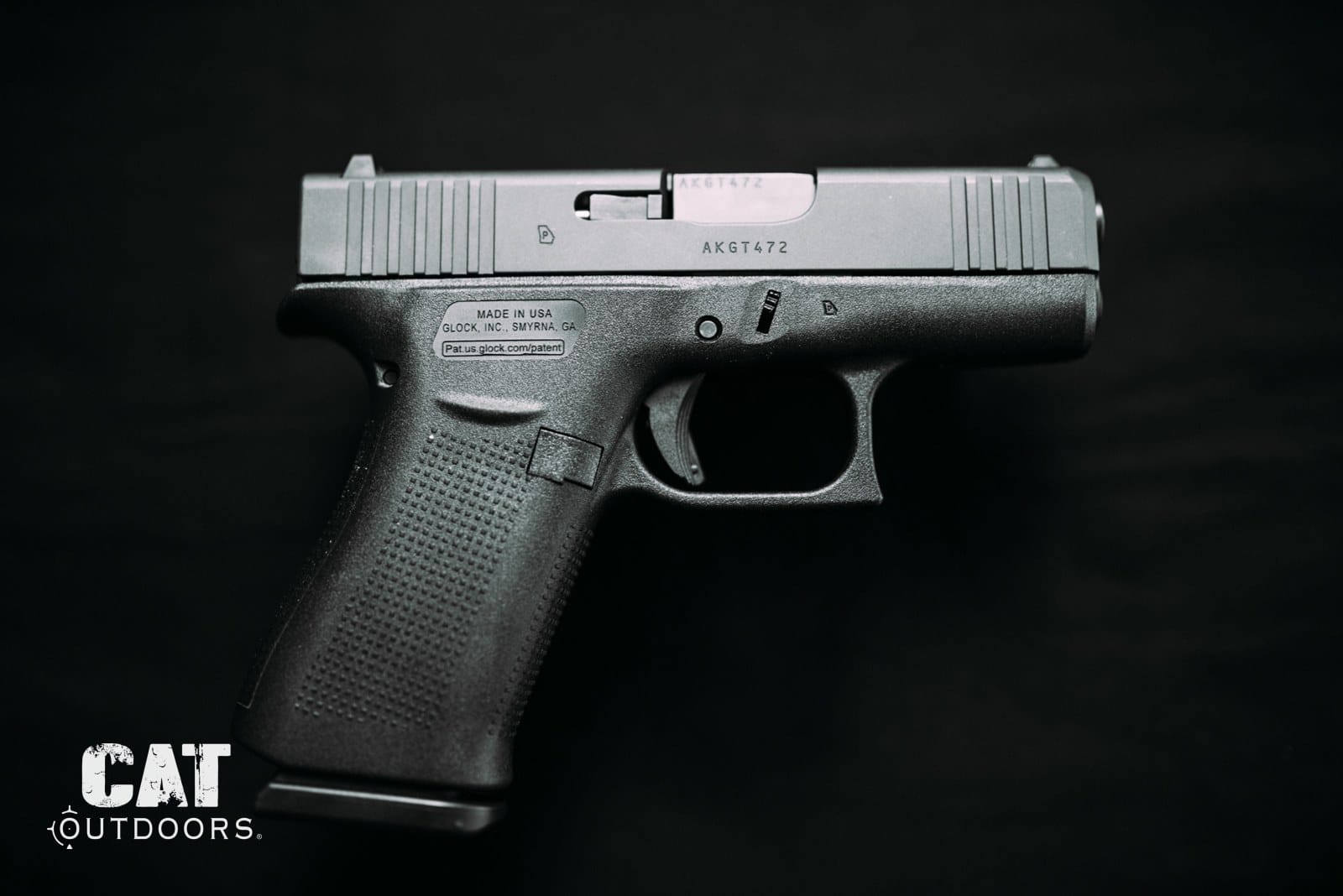
Who feels it on January 1: current owners keep their pistols. The law doesn’t touch possession, and it allows transfers to immediate family. Buyers and dealers absorb the whole ban. Federal law already prohibits Marylanders from buying a handgun out of state and bringing it home, so once in-state sales stop, ordinary acquisition is over. Plaintiff David J. Bathras Sr. is a registered collector who wants more Glocks and now can’t get them. Roslyn Mickens is a licensed firearms instructor who uses them for work. Atlantic Guns, selling since 1950, loses a substantial slice of its handgun case.
The plaintiffs’ filing puts the question plainly: “This case is about whether Maryland may ban Glock and Glock-style handguns consistent with the United States Constitution merely because someone can convert those firearms into something that they are not.”
The common-use math: Glock manufactured 581,944 handguns in the United States in 2021 and exported 67,106, leaving 514,838 for the domestic market in one year, before imports. Analysts put Glock at roughly 65 percent of the U.S. handgun market. The Baltimore Police Department issues Glocks to its officers. And the Fourth Circuit, in the very decision Maryland leans on to defend its so-called “assault weapons” ban, described “a commonly used handgun like the Glock 19.” Under Heller, arms in common use for lawful purposes can’t be banned. That’s the mountain the state has to climb.
The state’s case: Glock switches are a real problem. ATF trace data cited in the briefing shows suspected machine-gun conversion devices recovered by police jumped from 658 in 2019 to 5,816 in 2023. Attorney General Anthony Brown’s pre-signing review supplies the legal theory: “a court could reasonably conclude that a pistol that can be readily altered to fire multiple rounds with a single trigger pull is poorly suited for lawful self-defense.” The plaintiffs’ answer: the conversion device is already a federally regulated machine gun (10 years and up to $250,000), and Maryland separately banned switches and auto sears years ago. SB 334 doesn’t add a penalty for converting a pistol. It bans the pistol that could be converted.
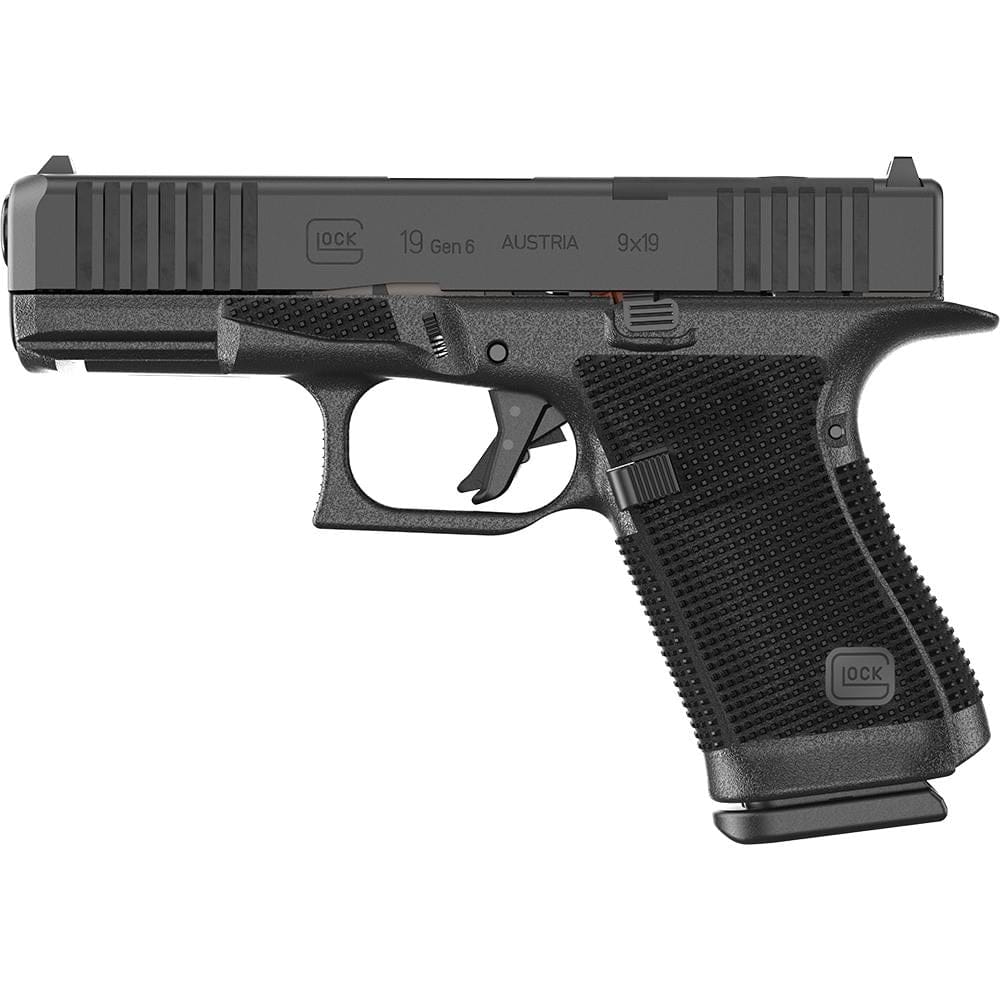
Glock 19 Gen 6 9mm (P61950203)
The compact Glock that SB 334 pulls off Maryland shelves on January 1. Gen 6 optic-ready slide, three 15-round mags in the box, and the same $620 price at every major retailer right now.
The AG’s own letter: that same May 6 review approved the bill under the office’s “not clearly unconstitutional” standard, then conceded “there is a risk that a reviewing court could conclude that the bill violates the Second Amendment,” including by finding it a “back door ban” on a firearm in common use. When the lawyer who has to defend a statute writes the other side’s opening line before the ink dries, plaintiffs notice. SAF founder Alan Gottlieb, announcing the motion: “This law is the equivalent to banning free speech in the hopes of preventing fraud. It’s bad policy and unconstitutional.”
The calendar problem: no hearing date has been set, and the court’s current scheduling order doesn’t require a status report until November 25, five weeks before the ban bites. Meanwhile the Maryland State Police must publish the official list of banned pistols, and the legislature’s own analysts concluded the agency likely can’t finish it by January 1. The ban has a start date. The list of what’s banned is running late.
Your move: if you own a Glock in Maryland, nothing changes, now or on January 1. If you planned to buy one, or you sell them for a living, the injunction ruling is the date that matters, and December 31 is the fallback deadline if the state wins. Shopping while the shelves are still legal? Our hands-on Glock 43X review covers the one most people cross-shop first.
Either way, the state’s top lawyer already marked where the back door is. The plaintiffs just have to convince one judge to walk through it.
What do you think: does a “convertible pistol” ban survive Bruen, or did the AG call it? Let us know in the comments.
Want courtroom updates like this one the morning they drop? Sign up for the CAT Outdoors newsletter below.
Sources: the case docket in Bathras v. Moore; the plaintiffs’ amended complaint; SB 334 and its fiscal and policy note; Attorney General Brown’s bill review letter; the Fourth Circuit’s opinion in Bianchi v. Brown; the Second Amendment Foundation’s announcement; and CBS Baltimore on the original filing.

Justin Trump is the managing editor and owner of CAT Outdoors. The son of a Vietnam veteran, he’s a Certified Glock Armorer, an avid gun enthusiast and 2A advocate. He holds two firearm patents for the CAT M4 and Talon tools. When not managing CAT Outdoors, he enjoys spending time with his family and friends, rooting for Michigan sports teams, and serving his church.