
Four Gun Groups Tell the Sixth Circuit That 1.17 Million Registered SBRs Can’t Be “Unusual.” The NFA Registry Is Next.
A joint amicus brief in U.S. v. Machamer asks the Sixth Circuit to strike the NFA’s registration scheme for short-barreled rifles. The argument’s registry math, the government’s 1631 census, and who feels a win.
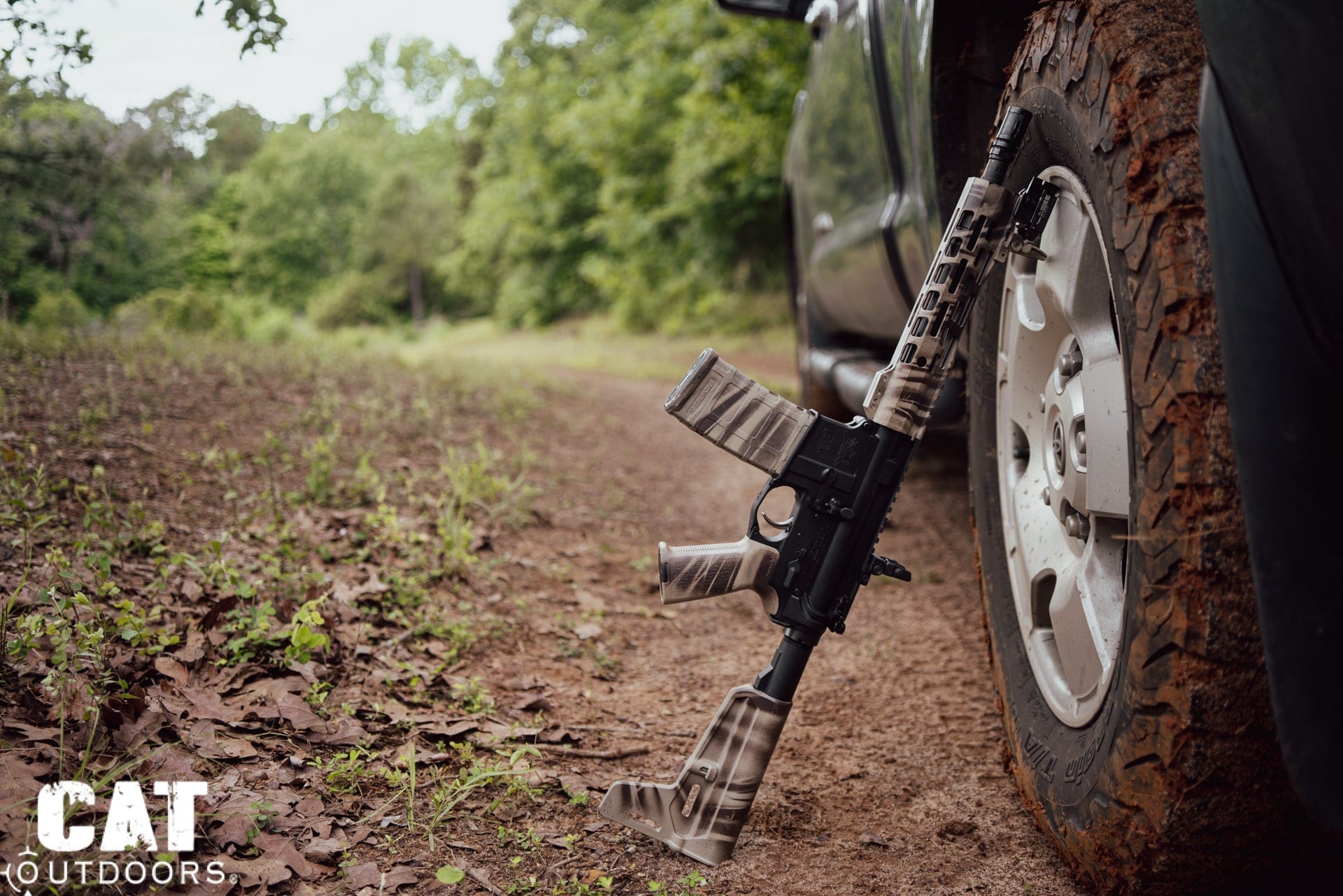
Four of the country’s biggest gun-rights groups just asked a federal appeals court to gut the part of the National Firearms Act that governs short-barreled rifles. Their opening problem for the government: you can’t call a thing “unusual” after 1,178,348 Americans have registered one with the ATF.
On July 13, the National Rifle Association, Firearms Policy Coalition, Second Amendment Foundation, and American Suppressor Association filed a joint amicus brief in United States v. Machamer, now before the Sixth Circuit. It argues that the NFA’s approval, registration, and possession requirements for SBRs (26 U.S.C. §§ 5812, 5841, and 5861(d)) violate the Second Amendment. NRA attorney Joseph G.S. Greenlee wrote it.
The backstory: In January 2024, FBI agents searched Christopher Machamer’s home in North Canton, Ohio, and a safe at his parents’ residence. They recovered AR-style rifles with roughly 9.25-inch barrels, unserialized receivers, a drill press, two CNC mills, suppressors, handguns, and more.
Machamer pleaded guilty to five counts and drew a sentence north of five years. On appeal, the district court rejected his Second Amendment challenge, ruling that SBRs are “unusual or dangerous” and therefore not “Arms” the Constitution protects.
The four groups want nothing to do with his manufacturing charges. Their brief is surgically narrow: only the provisions that make you get federal permission to acquire an SBR, register it, and face prison for holding an unregistered one.
The numbers doing the work: The brief counts 1,178,348 registered SBRs as of June 8, 2026, legal to own in 45 states. And since the One Big Beautiful Bill Act took effect on January 1, the federal transfer tax on SBRs, suppressors, short-barreled shotguns, and AOWs is $0.
Legal in 90% of states, owned by more than a million people, taxed at nothing. “Unusual” is doing a lot of lifting there.
The brief also goes after the NFA’s origin story. According to the amici, the minimum rifle-barrel length was tacked on as a safe harbor after lawmakers worried the bill’s concealable-firearm language might accidentally slap a steep tax on ordinary hunting rifles. “The NFA’s application to short-barreled rifles was thus a historical accident and not a necessary measure to keep arms away from criminals,” the brief states. At the relevant Senate hearings, it says, “no one mentioned a short-barreled rifle having any criminal use.”
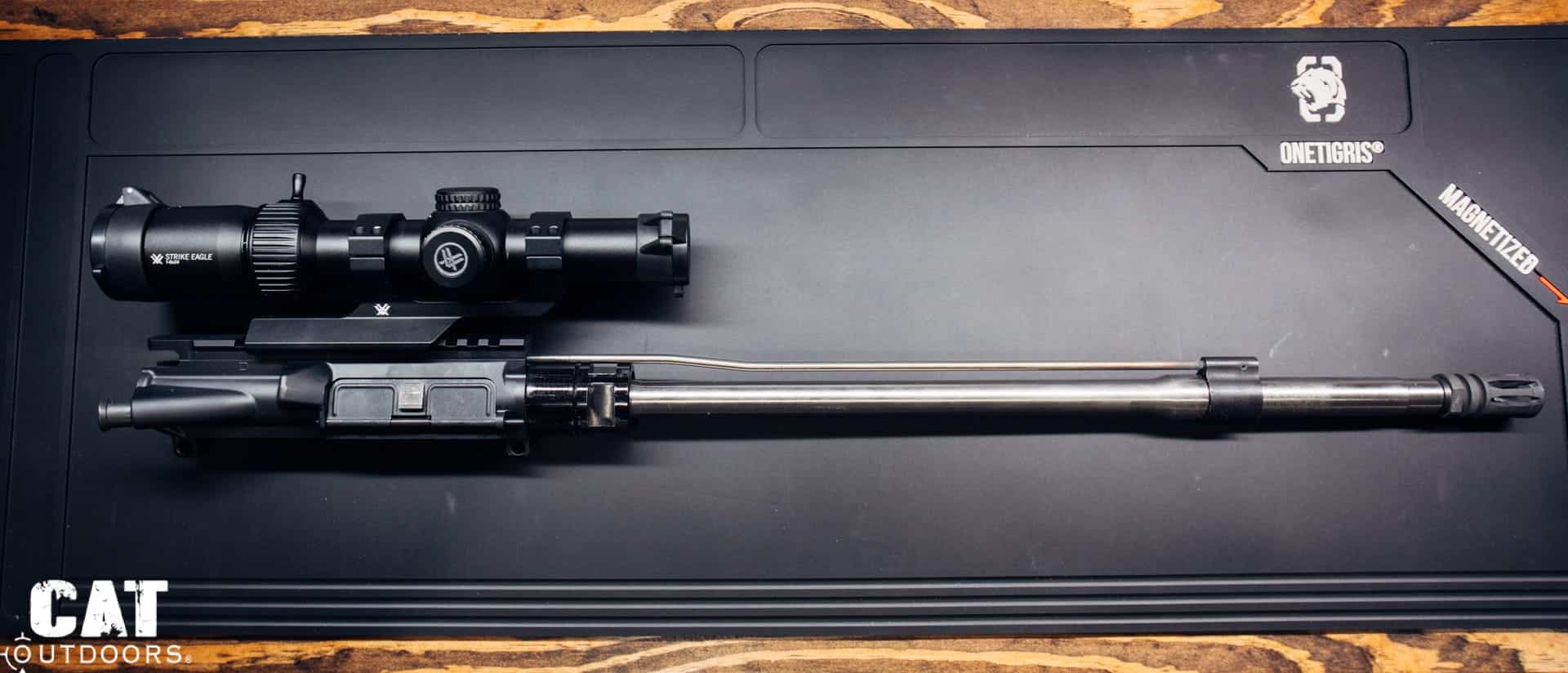
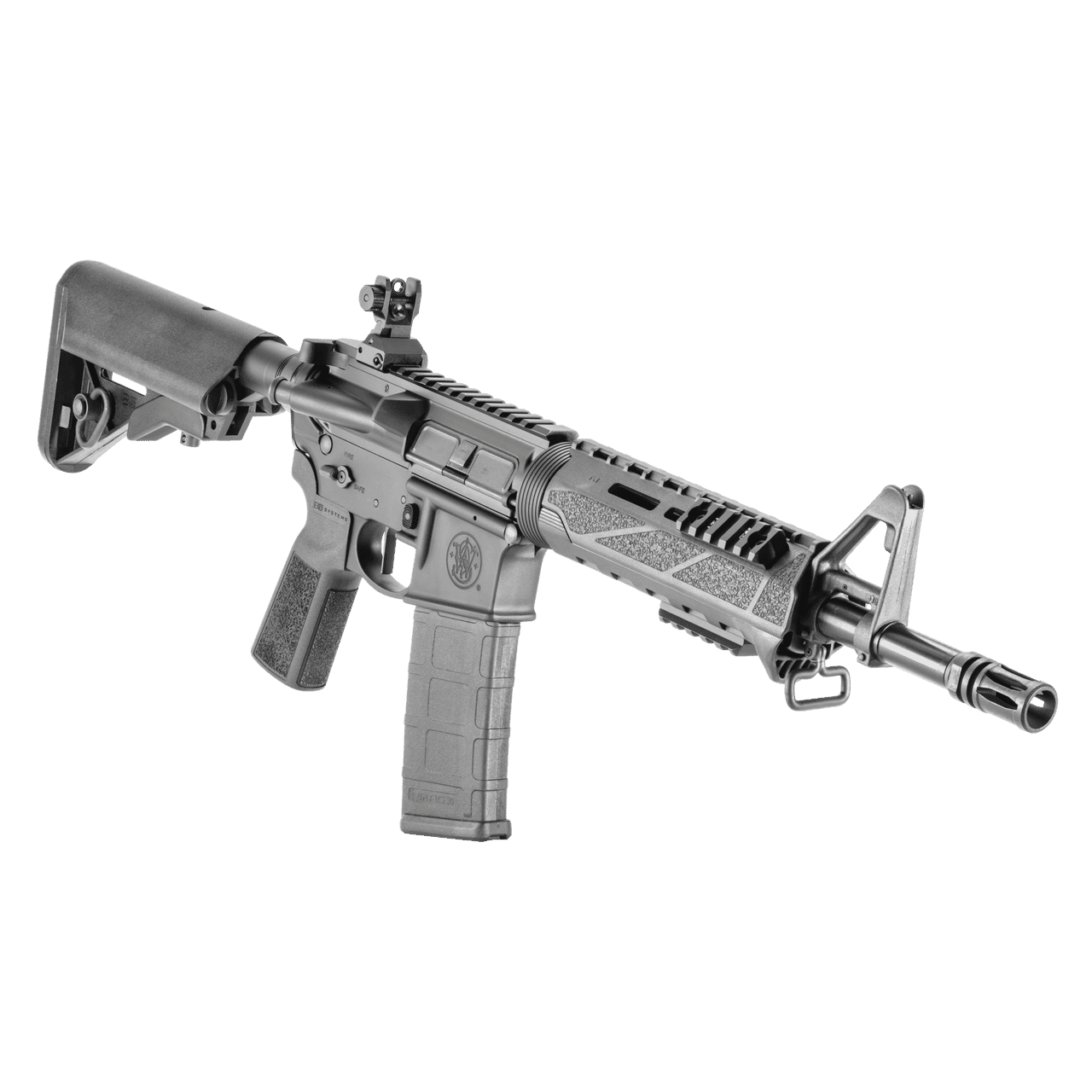
Smith & Wesson M&P15 SBR (11.5-inch, 5.56)
The exact class of rifle this case is about: a factory 11.5-inch AR SBR from a name brand. Form 4 paperwork still applies, but as of January 1 the federal stamp costs $0.
The government’s evidence, apparently: Prosecutors reached for a 1631 Virginia census that logged arms next to corn, cattle, hogs, goats, boats, gardens, and orchards. The brief also reminds the court that United States v. Miller (1939), the government’s usual anchor, concerned a short-barreled shotgun, not a rifle, and the defendant never appeared or put on a defense. So the “unusual or dangerous” finding rests on a colonial grocery list and a case about a different gun where one side didn’t bother to show up.
Who this hits: If you own a registered SBR, you’re the person these groups are fighting for. If you’re mid-build and waiting on ATF approval, your constitutional question is getting briefed in real time. The argument is blunt: the registry itself is the infringement, and a $0 tax doesn’t cure it.
FPC President Brandon Combs didn’t hedge. “The Trump DOJ wants courts to treat the Second Amendment like a second-class right instead of a full constitutional guarantee,” he said. He added that “fundamental rights are not privileges to be sold back to Americans through special taxes and bureaucratic permission slips.”
What to watch: The Sixth Circuit hasn’t set a timeline. But a four-org coalition with a narrow brief and a post-Bruen tailwind is a real threat to the finding below. The “common use” test is supposed to protect arms that Americans actually own in numbers. And 1.17 million registrations is a receipt.
For anyone new to the platform at the center of all this, our rundown of the best AR-15s covers where a build usually starts.
What’s your take: can the NFA’s SBR provisions survive a “common use” challenge backed by 1.17 million registrations? Let us know in the comments.
Building a suppressor setup while the NFA is under fire? Our best 9mm suppressors guide breaks down the cans worth your money.
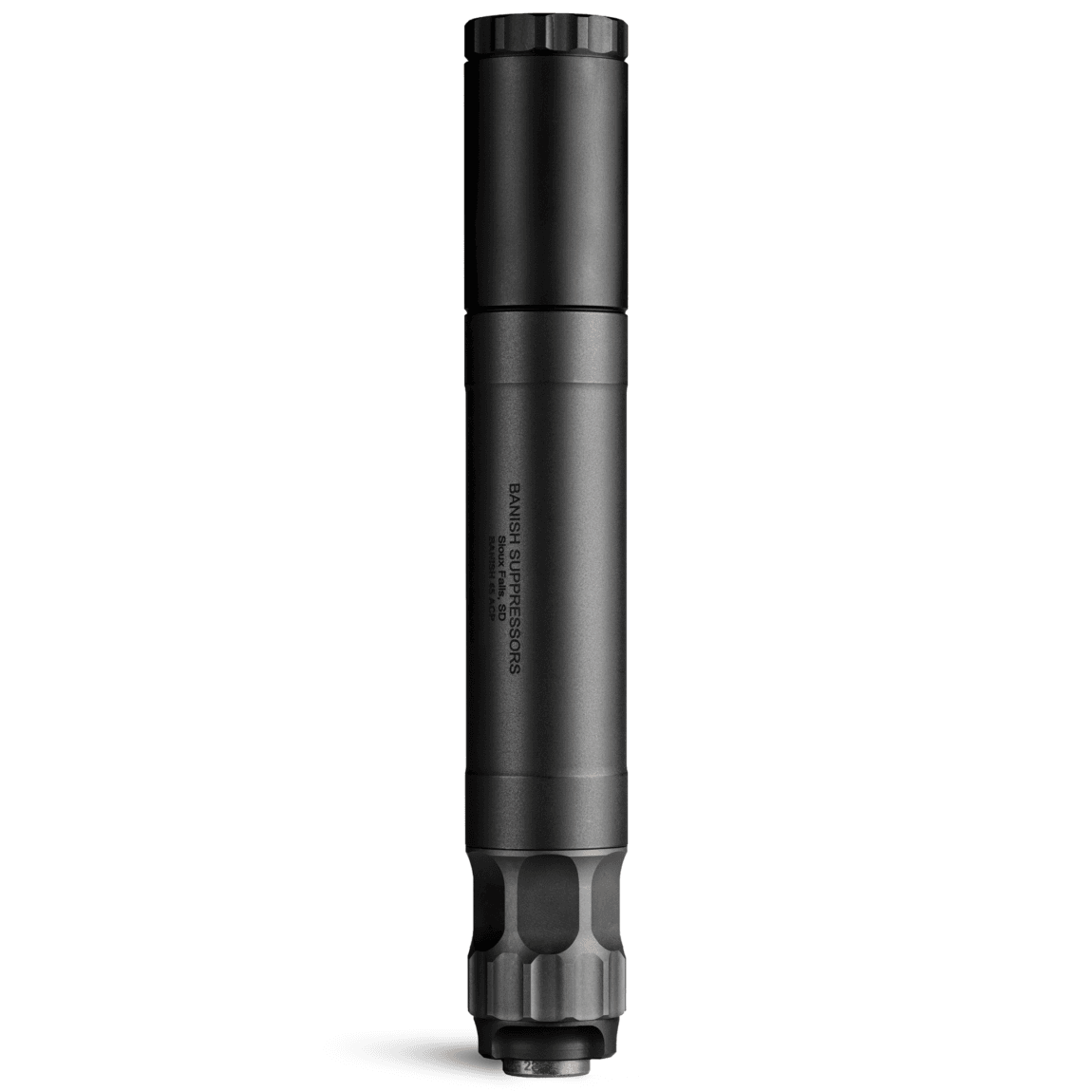
Banish 45
If this rule gets you off the fence, the Banish 45 is the do-everything can we point first-time buyers at, and Silencer Central walks your whole Form 4 through for you.
Sources: NRA-ILA and Firearms Policy Coalition on the amicus filing in United States v. Machamer; 2026 NFA $0 tax-stamp change.

Justin Trump is the managing editor and owner of CAT Outdoors. The son of a Vietnam veteran, he’s a Certified Glock Armorer, an avid gun enthusiast and 2A advocate. He holds two firearm patents for the CAT M4 and Talon tools. When not managing CAT Outdoors, he enjoys spending time with his family and friends, rooting for Michigan sports teams, and serving his church.